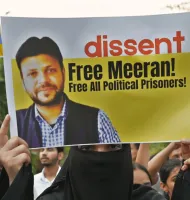
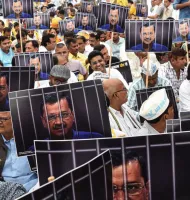
Changes proposed to the IT Rules 2021 reshape how authority flows through the digital ecosystem. Targeting dissent, they extend executive control over speech—producing a chilling effect, weakening…
India’s four Labour Codes, implemented in November 2025, consolidate a long-term shift privileging capital interests over collective bargaining. By legalising decades-old practices, they recast…
Sharjeel Imam's ideas were built upon his critique of the dominant narrative of Partition being the 'original sin' of Indian Muslims, against which he argued that the community ought…
The NPCI controls the country’s digital payments system yet denies accountability under transparency laws. This is untenable for the company qualifies as a public authority under the Right to…
An examination of 8 well-known terror cases which resulted in acquittals reveals how innocent Muslims are arrested, often tortured, and then suffer prolonged trials. They are eventually acquitted by…
Instead of lowering the age of consent in sexual activity, introducing close-in-age exemptions for 16 to 18-year-olds—paired with judicial oversight and better education—offers a better way to…
Constitutional morality demands accountability through fair trials, reminding lawmakers that fairness—not expedience—ensures the integrity of democracy. The 130th Amendment Bill, however, risks…
Indian law creates a legal vacuum around traditional designs by failing to recognise collective creation, generational knowledge, and community-based craftsmanship. This makes cultural appropriation…