With the right to privacy guaranteed in India, the state cannot force public disclosure of personal data. Access must be justified on the ground of legitimate interests, empowering bureaucrats to…
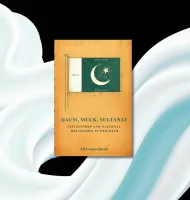
Questions about how the Pakistani state would be defined and who could legitimately claim citizenship within it were intensely debated in the early years of the new nation.
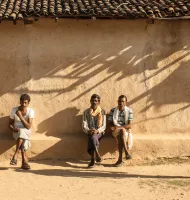
The success of the central scheme for the Particularly Vulnerable Tribal Groups depends on Aadhaar enrolment, which is essential for accessing key benefits. However, Aadhaar’s design and…
The loyalty-treachery divide in India silences voices of peace at home. State propaganda merges with public discourse, and war’s influence permeates civilian thought. By dehumanising people into…
Multiple forms of mathematical knowledge exist among different communities, which draw from specific cultural contexts and are utilised for local needs.
Large political rallies do not always translate into votes but a political meeting that sees huge crowds is a sign of a political party’s organisational strength and capability. Voters’ demands have…
A workspace for highly educated women forced to leave their trained careers is emerging—they avoid demanding full‑time roles of 70 plus weekly hours, and opt for contract or home‑based work while…
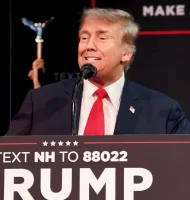
Donald Trump has exploited America’s deep divisions to upend its national identity. Fascism often slips in quietly—it thrives on emotional fervour rather than rational debate, eroding moral order…
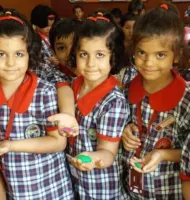
To harness India’s demographic dividend, strategic investment in education is essential. The Kendriya Vidyalaya Sangathan shows how decentralised management can deliver quality schooling. With…
The new waqf law is worrying because it grants unchecked administrative power without any clear standards for fair action. It applies unevenly across religions and provides a potentially biased…