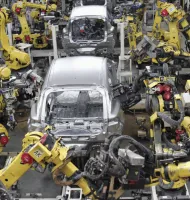

Using a variety of strategies over the past quarter century, China has achieved dominant global position in an ever-expanding list of industries. It has now moved from a rule-taker to rule-maker. How…
Persistent comparability problems between the 2011–12 and 2022–23 consumption surveys, compounded by the World Bank’s contested adjustments, leave India’s poverty and inequality trends uncertain.…
"The World Bank’s partial acceptance of the recommendations of the Commission on Global Poverty indicates that the measurement of global poverty appears to be a domain where institutional…
The 2025 Economics Nobel for explaining how innovation fuels growth was half-a-century in the making, in the process reimagining the mechanics of progress within economics itself.
Narendra Modi's decade in power has seen an erosion of democracy alongside soaring inequality. While religious nationalism diverts public attention, the super-rich add to their wealth. Economic…
Despite advances in digital finance, India’s gender gap in financial inclusion endures. Their true inclusion requires financial literacy, independent account ownership, and control over earnings—not…
The EBCs have been the unsung heroes of Bihar’s economy. Yet, their political influence has not matched their numbers. The 2023 caste census changed the game, highlighting their demographic…
Migrant workers fuel India’s growth yet remain excluded from its rewards. Policy silences and regional inequalities sustain their exploitation, and caste hierarchies have been reconfigured within…
The World Bank has used non-comparable data, made numerous and inexplicable changes to its methodology, and has departed from past accepted practices, thereby casting doubt on the quality of its…
A practical alternative to the US dollar system is possible through currency hubs of politically neutral, stable, and diverse currencies. Unlike single substitutes, these hubs will offer real…