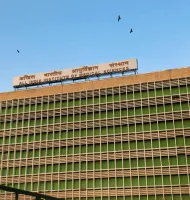
The establishment of AIIMS in Delhi sparked debates over whether Indians preferred 'Western' or 'indigenous' forms of medicine. These debates masked the elite ignorance and elite…
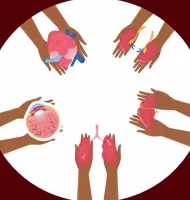
India’s organ donation law is grounded in altruism, but the system fails to create the institutional conditions that are needed to sustain it. Reform requires mandated medical care, harmonised legal…
India’s free trade agreements are progressively undermining access to affordable medicines. The government must resist big pharma’s narrative that stronger IP protection drives investment and…
Clinical trials shape the medicines and treatments we rely on every day. India runs thousands of clinical trials every year, yet most patients never hear about them. This lack of information affects…
India’s BioE3 policy envisions nationwide biomanufacturing hubs to drive bio-innovation. However, a key unresolved issue is whether the hitherto ignored public sector vaccine manufacturers will…
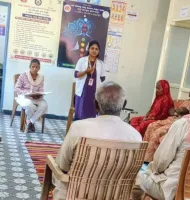
India’s primary healthcare system must invest in improvement by filling vacancies, regularising posts, and ensuring fair, timely pay. A contract-dependent workforce cannot sustain relational care;…
'Viksit Bharat' is not about the size of the GDP or the creation of wealth on stock markets, it is about improvement in the lives of the people, especially the most disadvantaged. Fifteen…
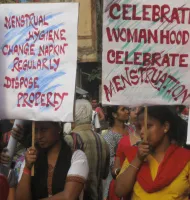
"Building a supportive ecosystem for improved menstrual health management for women is an important step towards achieving health equity. Not just the state, but employers must take on the moral…
The recent deaths of children given a certain cough syrup show us again that India needs a drug regulatory system that is free from regulatory capture and one that prioritises public health. Real…
A rapid expansion in medical colleges has been justified by India’s poor doctor-to-population ratio. The shortage of doctors, though, might be an invented figure.