
A researcher becomes a ‘partner’ in a food delivery app for two months. What he experiences and learns from his fellow workers is that in the underbelly of India’s vaunted gig economy are low and…
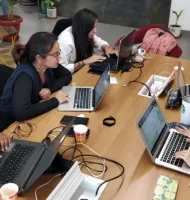
A workspace for highly educated women forced to leave their trained careers is emerging—they avoid demanding full‑time roles of 70 plus weekly hours, and opt for contract or home‑based work while…
Apps to hire domestic workers reinforce the perception that household work should be done inexpensively by unskilled labour, and undermine the struggle for rights and fair wages.
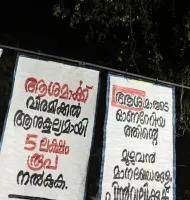
The ASHAs of Kerala receive a meagre honorarium though they play an indispensable role in the state’s healthcare. They are seen as 'volunteers' and the centre refuses to classify them as…
Given the high degree of informality in the Indian economy, national employment surveys have drawn up complex instructions to capture all those who work. This however also comes with the risk that…
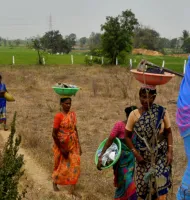
Gender-sensitive public infrastructure that enables women to balance care and market activities, is essential for work outside the home. Including a gender perspective in village-level infrastructure…
Indian women’s agency is primarily influenced by marital status and caste, rather than religion or education. This suggests that legal reforms alone, like the Uniform Civil Code, might not be enough…
India’s skill development policy has struggled. Instead of spreading resources too thinly, public policy could achieve more by focusing on social upliftment, gender and caste equality, and regional…
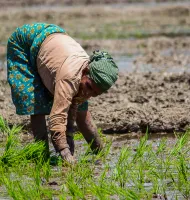
There are internal constraints and structural barriers to women’s claim-making under MGNREGA. Supporting more egalitarian decision-making within the village, designing interventions that can help…
Educated women leaving the workforce hurts India’s growth. But child & family care options are lacking in the work structures we now have. We need “bridge” jobs, like part-time work, to help…