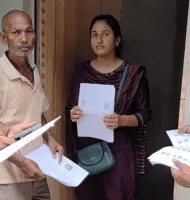
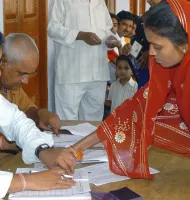
The objectives, processes and the arguments for and against the Special Intensive Revision of the electoral rolls in Bihar that is being conducted by the Election Commission of India; the concerns…
Bihar’s special Intensive electoral roll revision shifts responsibility from the state to individual citizens, requiring birth certificates for inclusion. With many poor residents lacking…
Delaying local government elections for months or years—due to legal disputes, reservation issues, and political interests—undermines the foundations of our democracy. There are practical measures…
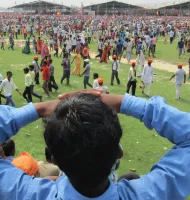
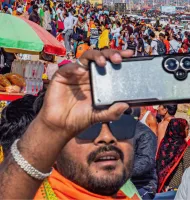
Large political rallies do not always translate into votes but a political meeting that sees huge crowds is a sign of a political party’s organisational strength and capability. Voters’ demands have…
Muslim representation in politics cannot simplistically be reduced to quantifying their legislative presence. We need to pay heed to the internal diversity in the community and what members perceive…
The “MahaKumbh” is crafted to secure the consent, not only of the traditional pilgrims who went following the truly sanatana seasonal rhythm, but also that of the well-heeled “holy-dippers”, who flew…
State panchayati raj acts empower bureaucrats to suspend or dismiss elected representatives of local governments, and supersede or dissolve the bodies themselves. Such powers must be scrapped, and…
Neoliberalism has empowered India’s big capital to control the state, reversing an earlier relationship. Capital, once subordinate and nationally defined, now dominates and defines the nation, using…
Haryana's social and political landscape is in the midst of a transition, with both backward castes and the younger generation of Jats seeking to break away from the old agrarian order. So far,…