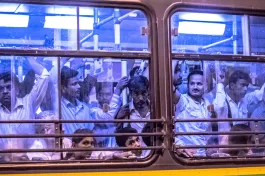




Food rarely moves directly from producers to consumers. A complex network of actors, including input suppliers, traders, processors, wholesalers, and retailers plays a vital role in bringing food to our plates. Understanding these food value chains is critical because many challenges facing agriculture extend beyond the farm.
Farmers may increase production but still struggle to earn stable incomes in the absence of affordable credit, reliable markets, storage and processing facilities, or timely information. At the same time, climate shocks, government policies, and international trade increasingly shape how value chains operate.
Building climate-resilient food systems that support nutritious diets therefore requires looking beyond production to understand the relationships between the people and institutions that connect farms with consumers.
In February 2026 we began exploring five food value chains. Through interviews with value chain stakeholders over two months, we traced the journey of food from farm to fingers, examining key challenges and potential solutions. This photo essay shares some of what we saw and learned from our respondents.
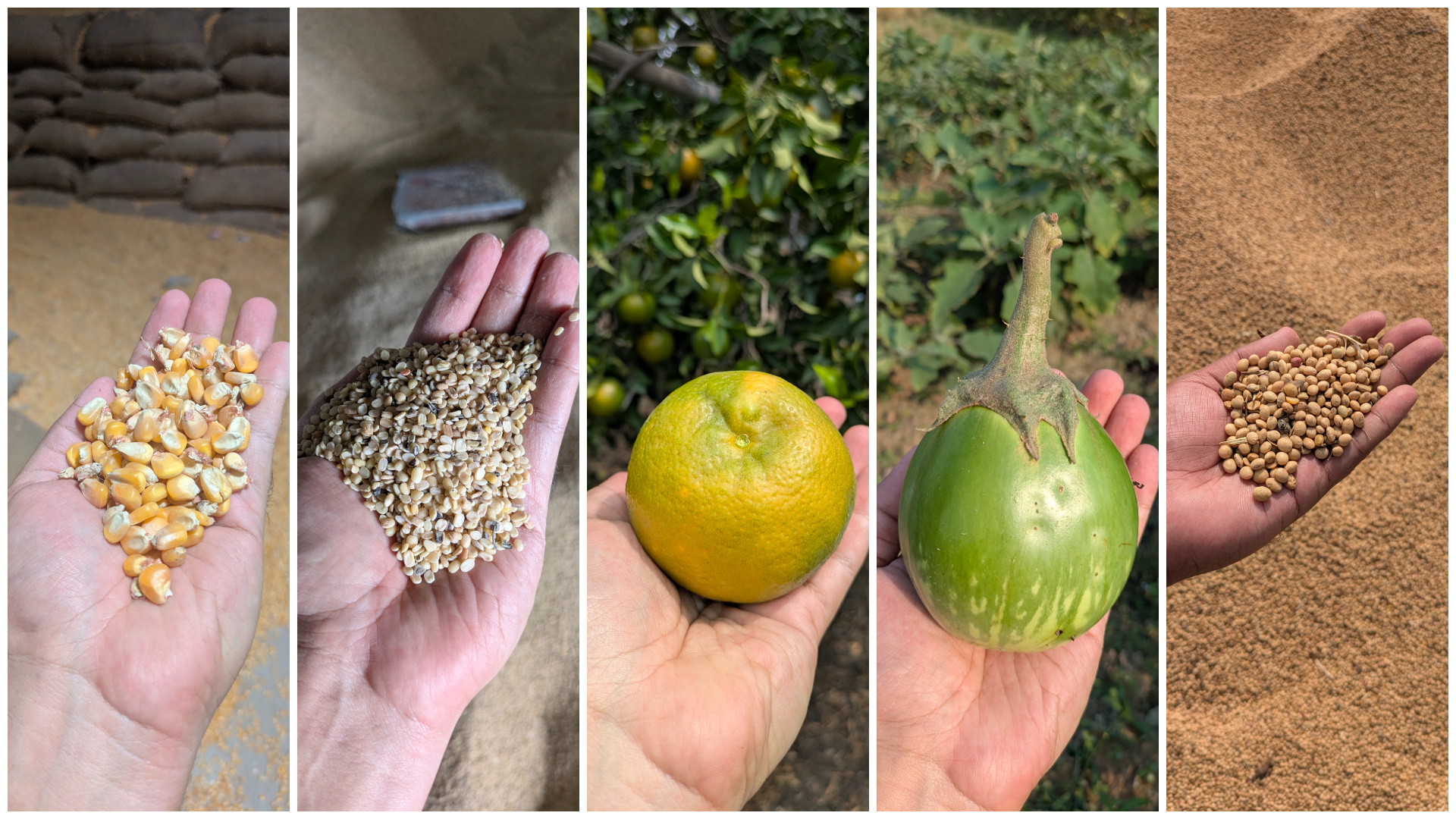
We focused on five value chains:
- maize (cereal) in Purnia, Bihar
- black gram (pulses) in Chhatarpur, Madhya Pradesh
- orange (fruit) in Nagpur, Maharashtra
- eggplant (vegetable) in Nadia, West Bengal
- soybean (oilseeds) in Latur, Maharashtra.
These value chains were selected to represent food items widely produced and consumed across their respective categories, while also focusing on crops that have received limited attention in food value chain research.
Evolving maize value chain in Bihar
Bihar is emerging as one of India's largest maize producers, with production more than doubling from 2.1 million tonnes in 2020–21 to 5.5 million tonnes in 2023–24. Many people we spoke to attributed this to the government's push for ethanol blending in fuel. To understand what this shift looks like on the ground, we travelled to Purnia district, one of the state's largest maize producers and home to a (mandi that sets domestic maize prices across India.
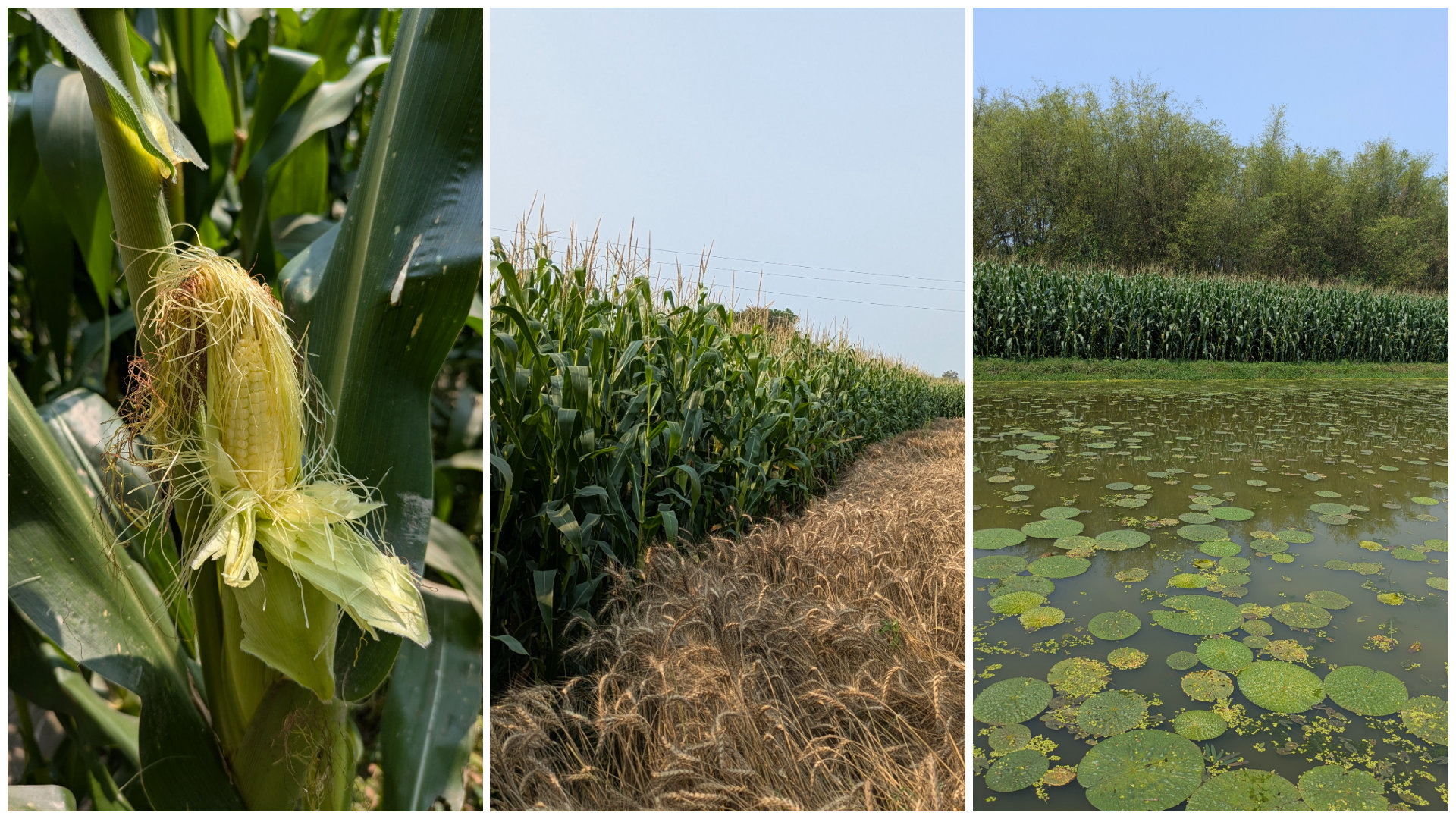
We arrived in Purnia in the middle of the rabi season when most farmers were growing maize, wheat and fox nuts (makhana). A few days before our visit, a storm swept through the region, flattening many farmers' crops. For many farmers we met, the storm losses were compounded by something more systemic: defaults on past loans had limited their access to government programmes such as subsidized credit and crop insurance at the time they needed it most. This left them with no choice but to rely on middlemen (local village traders) and moneylenders for credit.
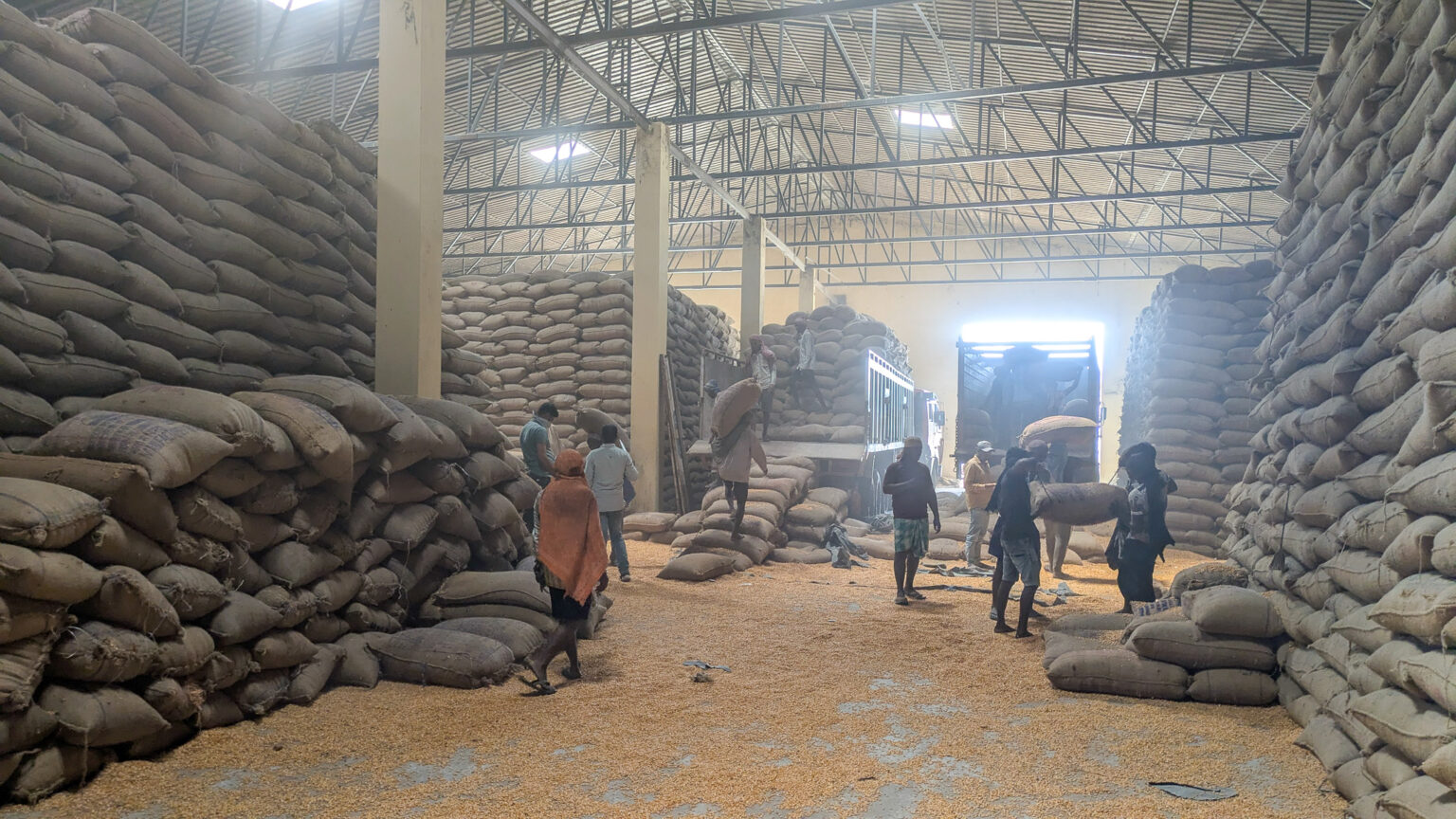
Village-level traders continue to play a pivotal role in this economy by aggregating produce, extending informal credit, and absorbing risk, but new players are emerging. DeHaat, an agri-tech startup, has set up collection centres and warehouses in Purnia, positioning itself as an alternative aggregator that links farmers more directly to distant markets. On the day we visited, workers were loading two trucks: one bound for a poultry feed supplier in Kaithal, Haryana, and the other headed to Lucknow, Uttar Pradesh.
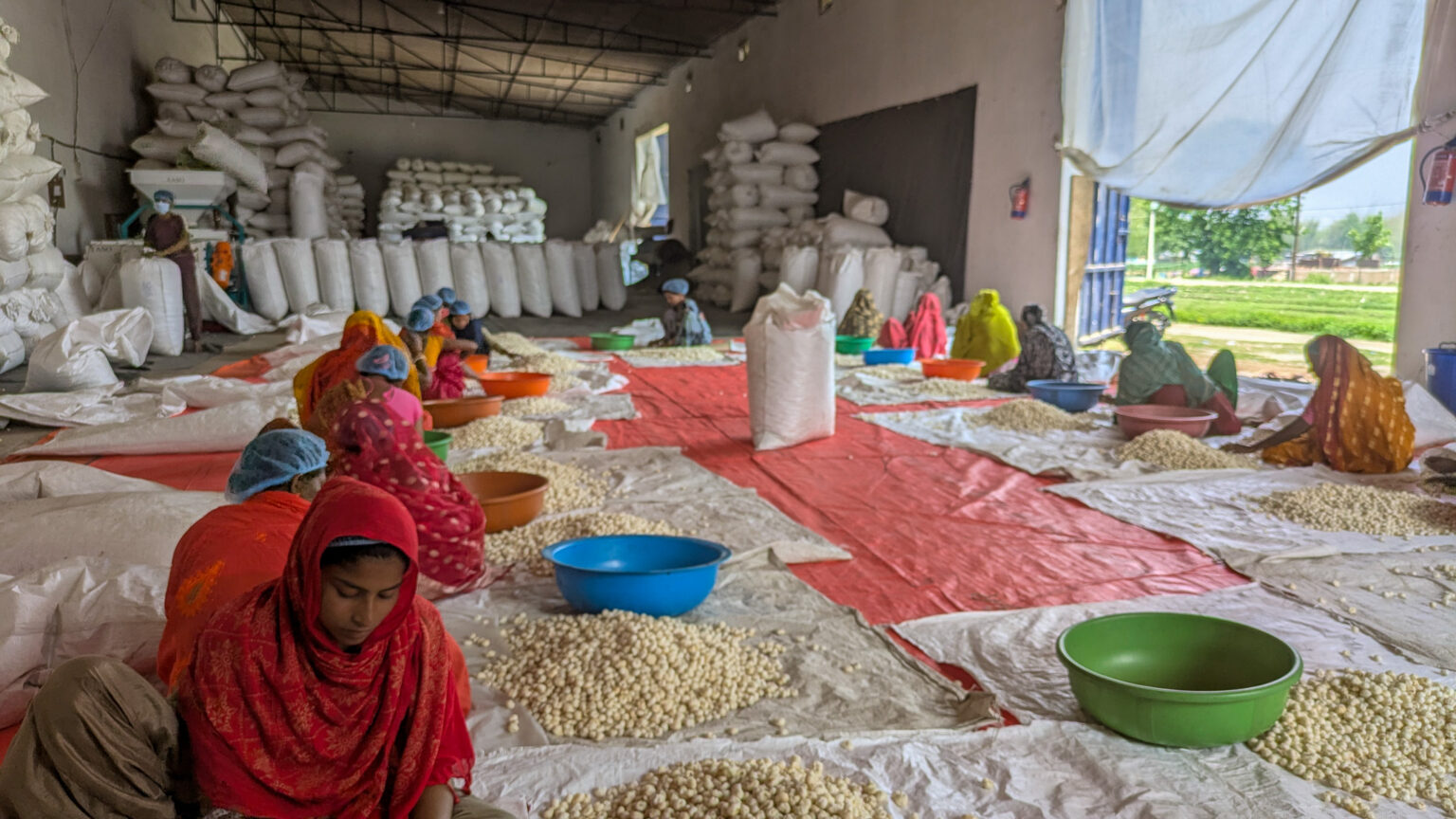
Beyond logistics, DeHaat is investing in post-harvest infrastructure such as a grading plant for foxnuts that processes makhana before it reaches buyers. The plant creates local employment and offers a better price than traditional channels.
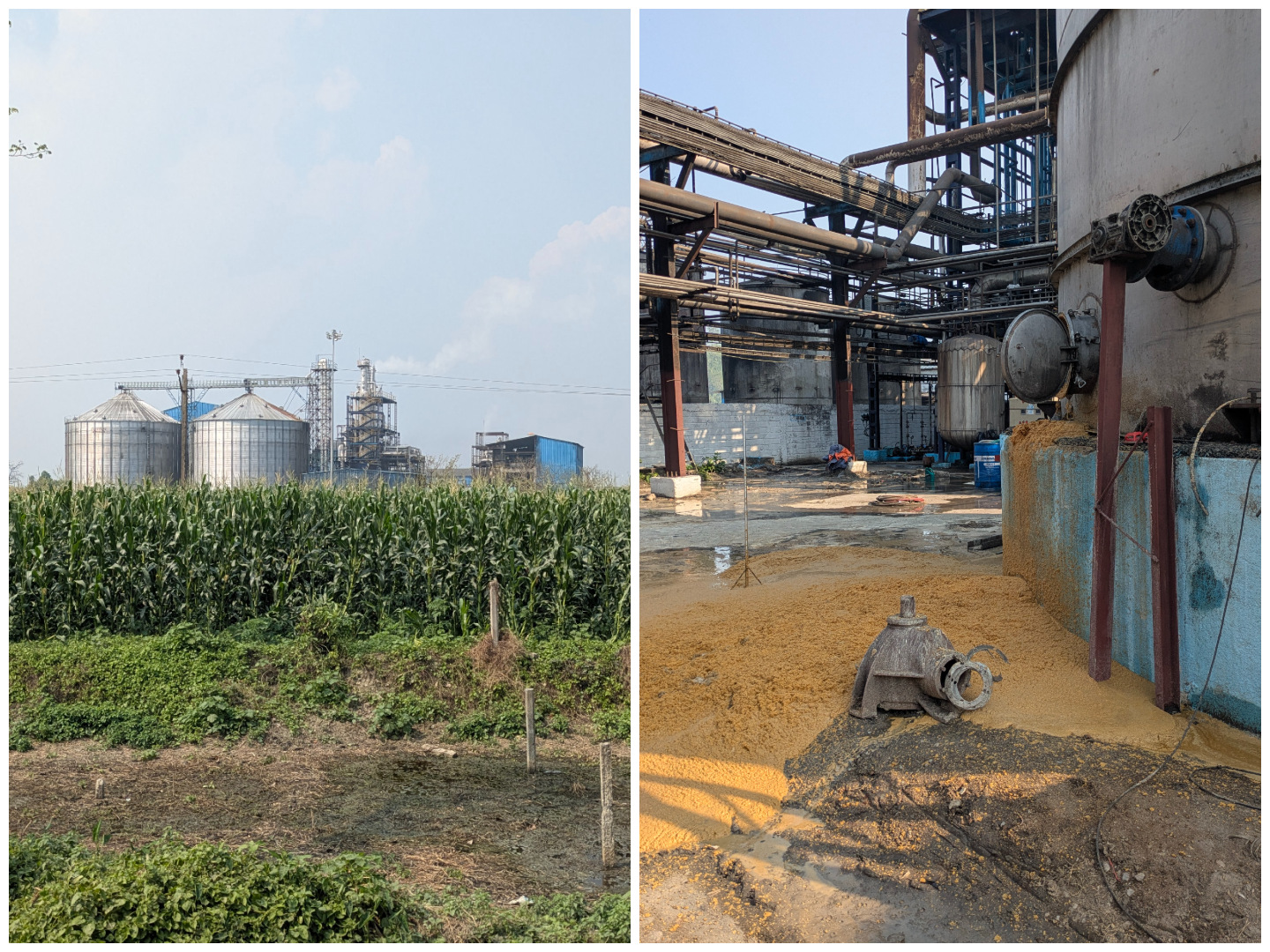
Ethanol processing units are among the region's major maize buyers, and their presence has reshaped cropping decisions across the district. However, during our visit to a Purnia ethanol plant, processors highlighted how shifting government policy on blending mandates had left the plant running well below capacity for months.
Water and soil contamination were visible around the plant, and a persistent smell reminded us that agricultural transformation carries costs that do not always show up in production numbers.
Black gram under pressure in Bundelkhand
Of the five value chains examined over the two months, none bore the weight of weather-related negative impacts more visibly than black gram in Bundelkhand. Chhatarpur district is one of the country's largest black gram-producing regions. Unseasonal rains just before the harvest season over the past few years have caused pulses to sprout inside the pod, turning a farmer's yield into a loss before it ever leaves the field.
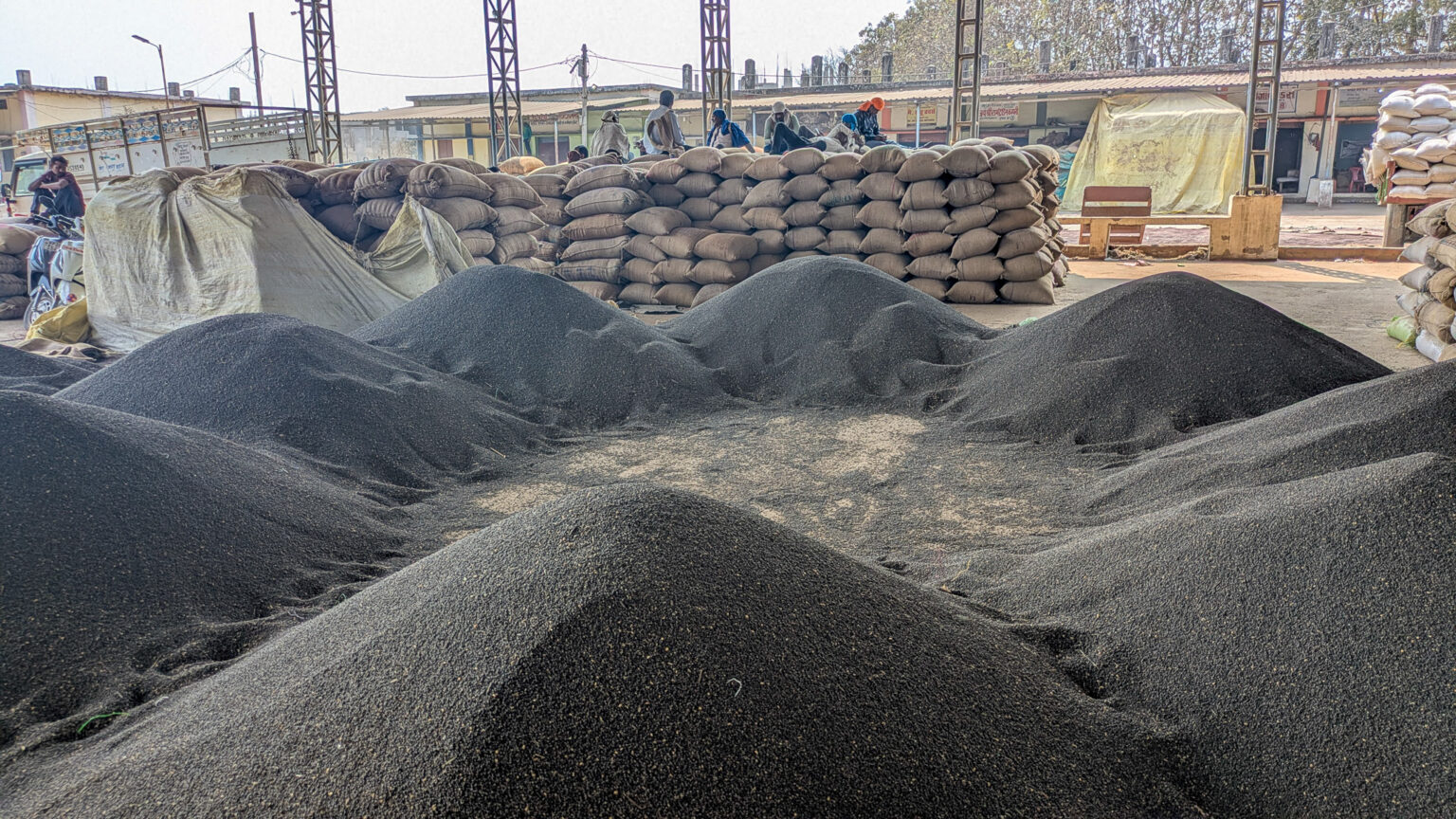
In principle, government-regulated markets called mandis offer farmers a transparent auction system in which crops fetch a fair price. In practice, most farmers in Bundelkhand never reach them. Crops first move to village-level traders, who sell to larger traders in towns, who then bring the black gram to the mandis. By the time it arrives, the farmer is several hands removed from the sale.
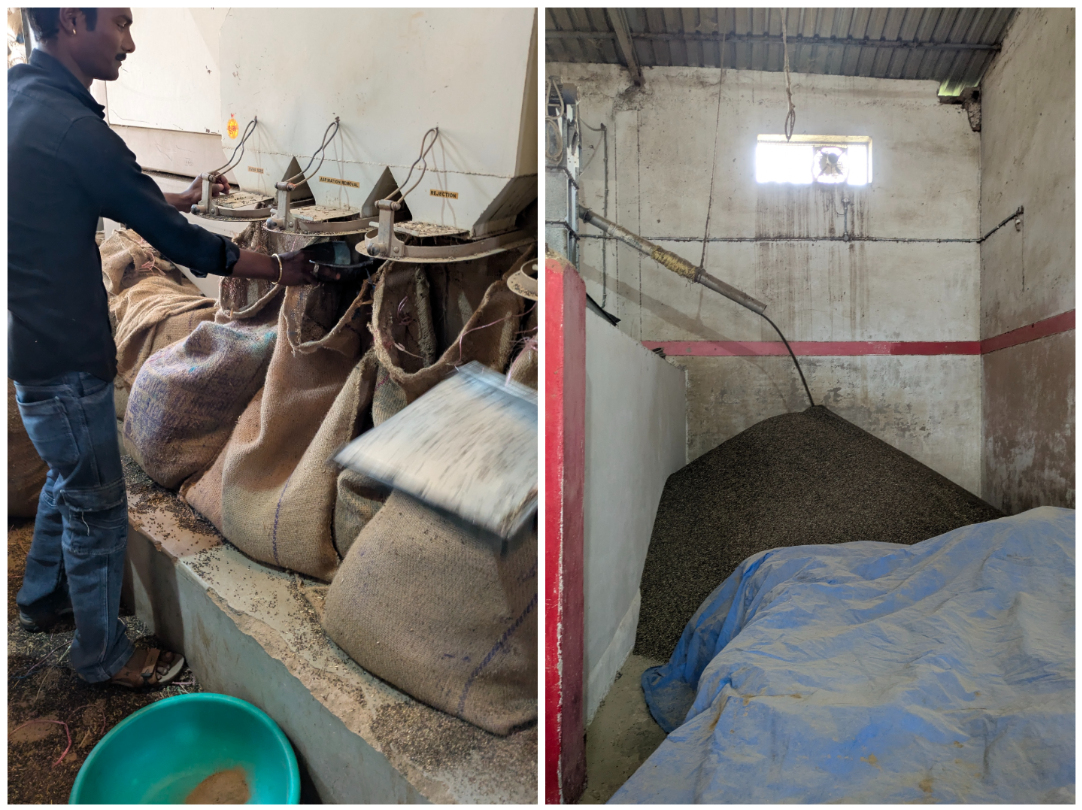
The nearest pulses processing mill is located 200 kilometres away in Tikamgarh. This distance is a defining constraint of this value chain. Without local processing infrastructure, farmers miss a key opportunity for value addition. A grading plant we visited in Chhatarpur district, set up with support from a central government programme that provides a 35% subsidy to establish small food processing enterprises, offers a glimpse of what closer-to-farm processing can look like.
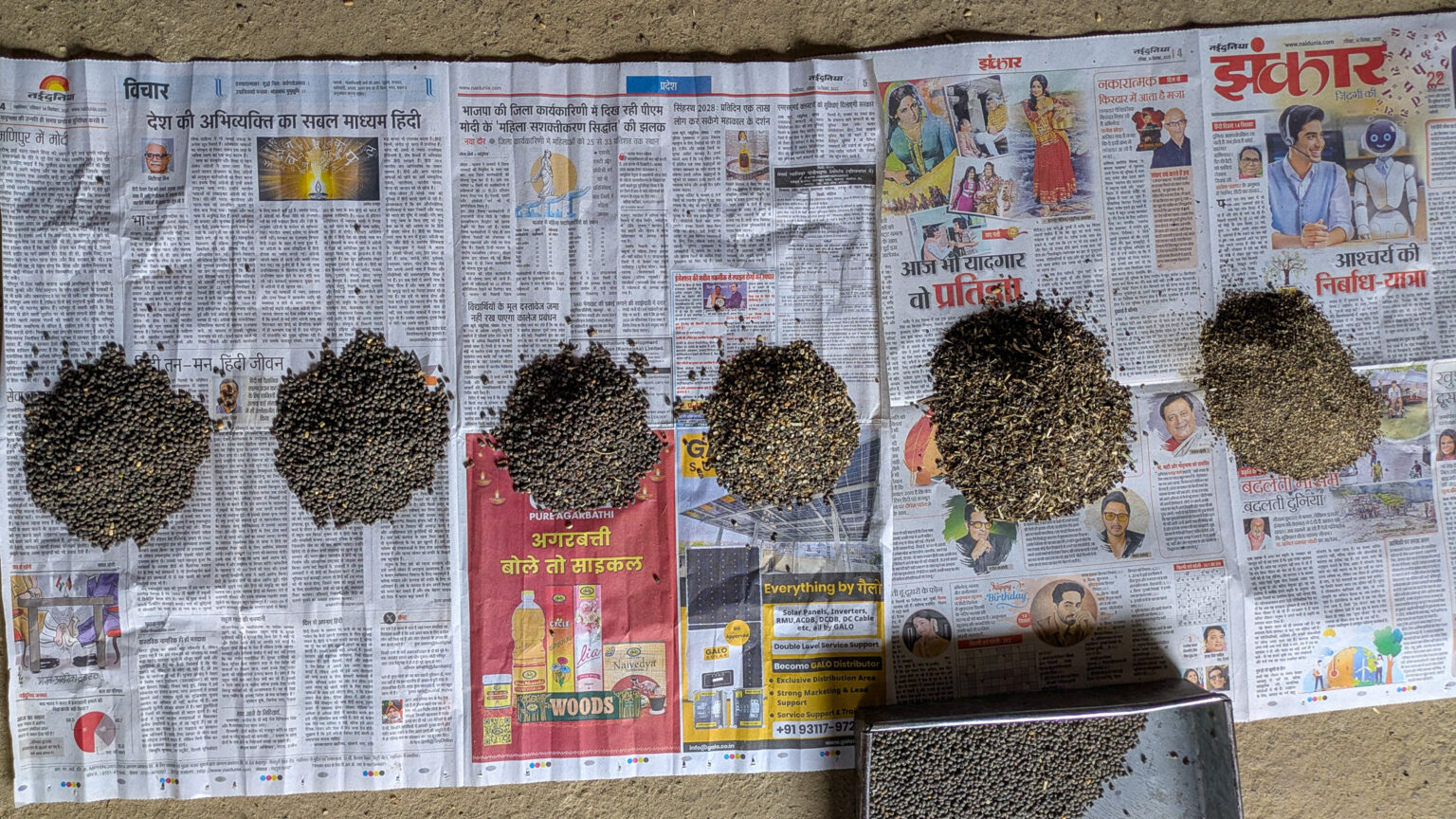
The grading plant separates black gram purchased from local farmers into six distinct grades. The top three (clean, whole, well-formed) sell for Rs. 25 to 70 per kilogram across different consumer segments. Grade 4 travels to paapad manufacturers in Gujarat and Rajasthan at Rs. 20 per kilogram. Grade 5 becomes animal feed at Rs. 10. Grade 6, that is otherwise unsellable, goes to chicken farms as a base material for Rs. 3 to 4 per kilogram. Infrastructure like this, built closer to where farmers live, helps capture value that would otherwise leave the region entirely.
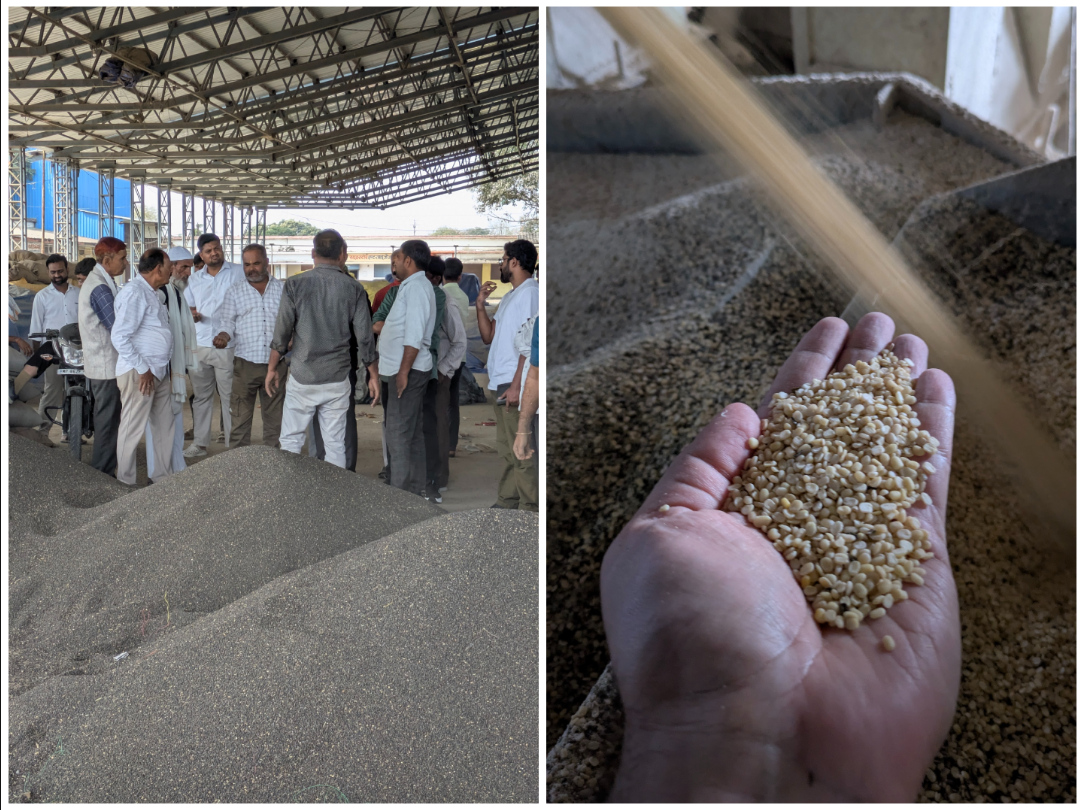
During our visit to the Tikamgarh mandi, we witnessed intense negotiations between black gram buyers and sellers. Unlike wheat and soybeans, black gram was not being auctioned because the price gap between buyers and sellers was very large. We later visited one of the processors, who shared his concerns about black gram imports from Myanmar, which are pushing down domestic prices. He acknowledged the superior quality of black gram imports from Myanmar but expressed concern about their implications for the government's push to be self-sufficient (atmanirbhar) in pulse production.
Modernizing orange value chain in Vidharba
Unlike cereals and pulses, which can sit in a warehouse for months, many horticulture crops have a very limited shelf life. This fact was evident in our conversations with orange growers, who emphasized the need for cold storage and processing facilities.
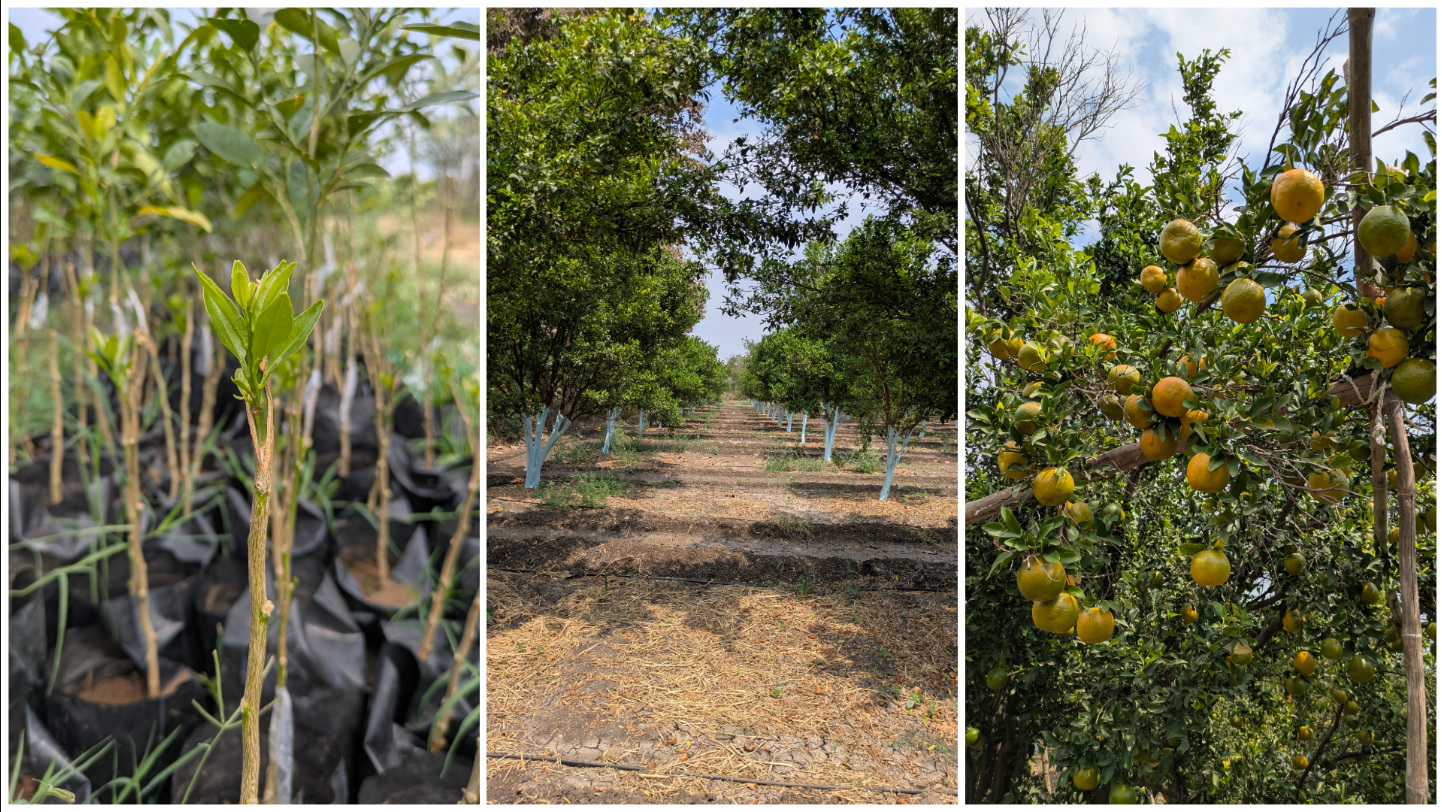
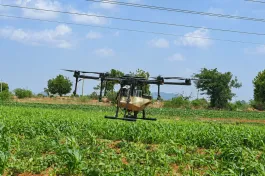
We visited growers on both sides of the Maharashtra-Madhya Pradesh border: in Warud block of Nagpur district of Maharashtra and Pandhurna block of Chhindwara district in Madhya Pradesh. Across farm sizes ranging from 1.5 to 12 acres, we found farmers adopting better orchard management practices, such as raised beds to improve drainage and root health, and increasing tree density for higher yields. One of the larger farmers had recently started using drones to spray pesticides made available through a state government programme.
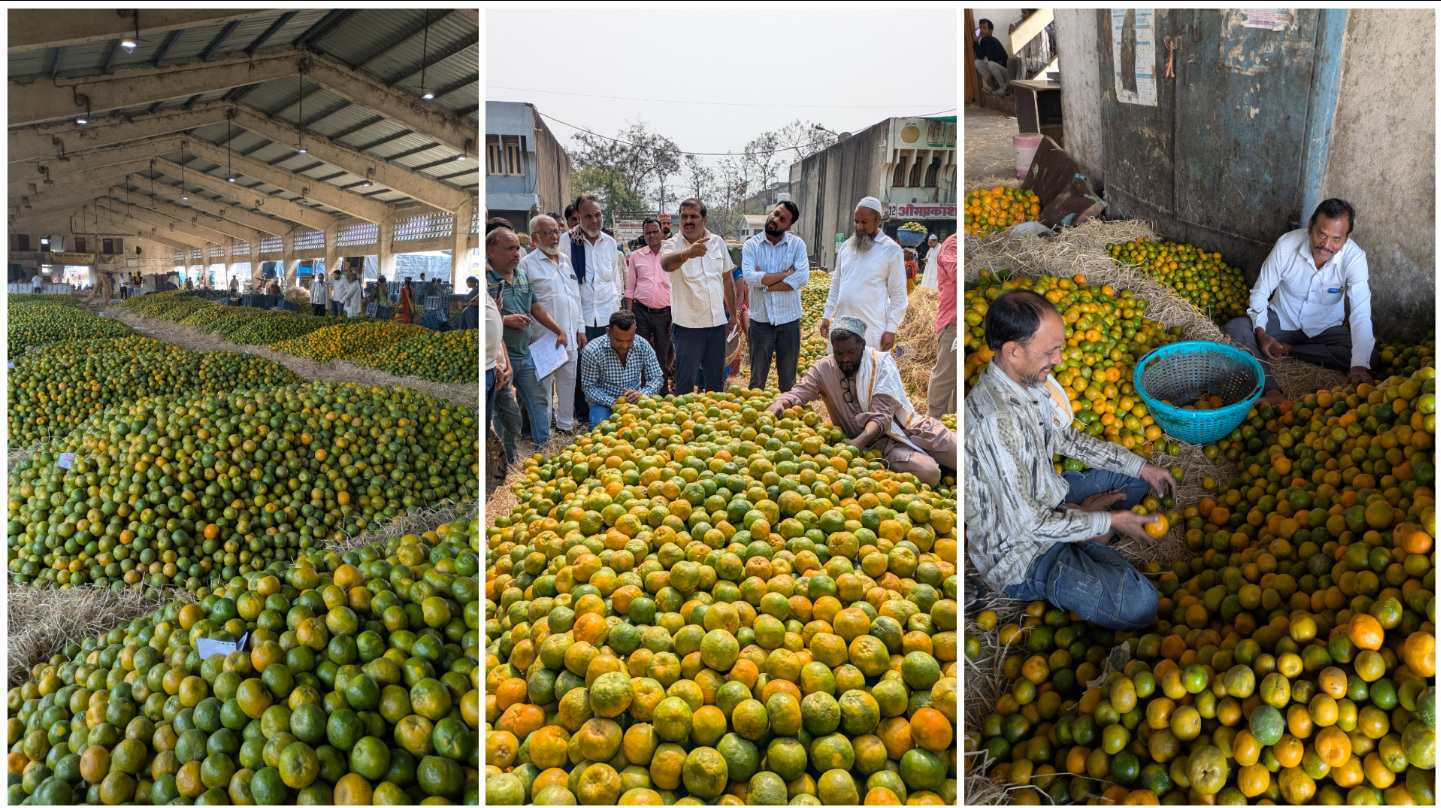
Pre-harvest contractors shape the orange value chain here. These contractors secure orchards on contract and purchase the crop under one of two arrangements. Under the hunda system, a fixed price is agreed upon at the flowering stage, giving the farmer certainty but no additional benefit if the crop outperforms expectations. Under the ginti system, payment is based on actual harvested weight. Both systems keep the farmer removed from the final sale.
Most of the oranges grown in the region are sold at the Kalamna APMC mandi in Nagpur. During our time there, sellers repeatedly returned to the same frustration that agent commission rates of 7 to 8 percent, charged on every transaction, are very high.
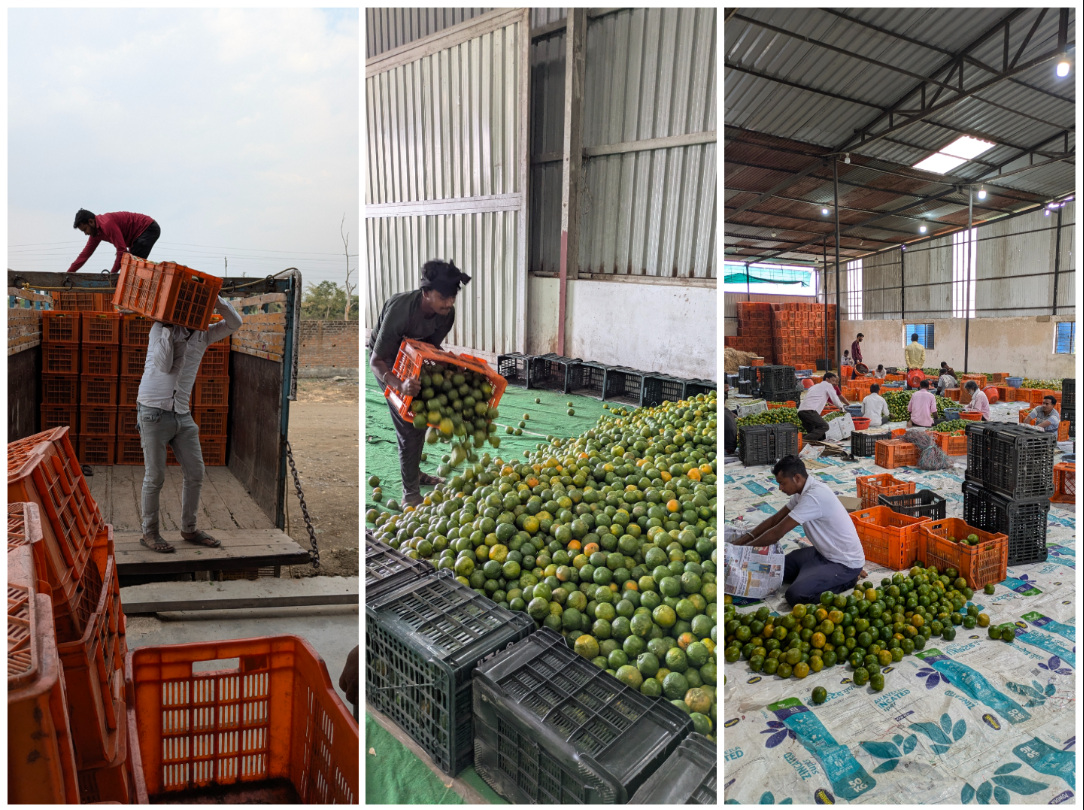
Under the Maharashtra APMC Act, grains are regulated and must move through official market channels. However, fruits and vegetables can be sold directly into the private market, free of the mandi's market tax. Some farmers we met had found traders who had set up their own grading and crate-making units, bypassing the mandi system entirely.
One such unit was built with support from a state government programme that subsidizes private infrastructure to strengthen horticultural value chains. The trader running the unit was selling graded oranges directly to buyers in Delhi, Punjab, Haryana, and Kerala.
Bangladesh has long been a significant destination for smaller-grade Vidarbha oranges, the fruit that does not make the top grades for domestic premium markets but still has buyers abroad. When Bangladesh raised import duties, those oranges had nowhere to go. The export channel narrowed, domestic supply backed up, and prices fell. A trade policy decision made in Dhaka is now impacting farmers in the orchards of Vidharba.
Precarious eggplant value chain in West Bengal
The eggplant value chain highlighted a growing dilemma among farmers regarding the sustainability of food value chains in terms of health and the environment. While the crop provides high returns, farmers worry about the increasing use of pesticides needed to control new pests.
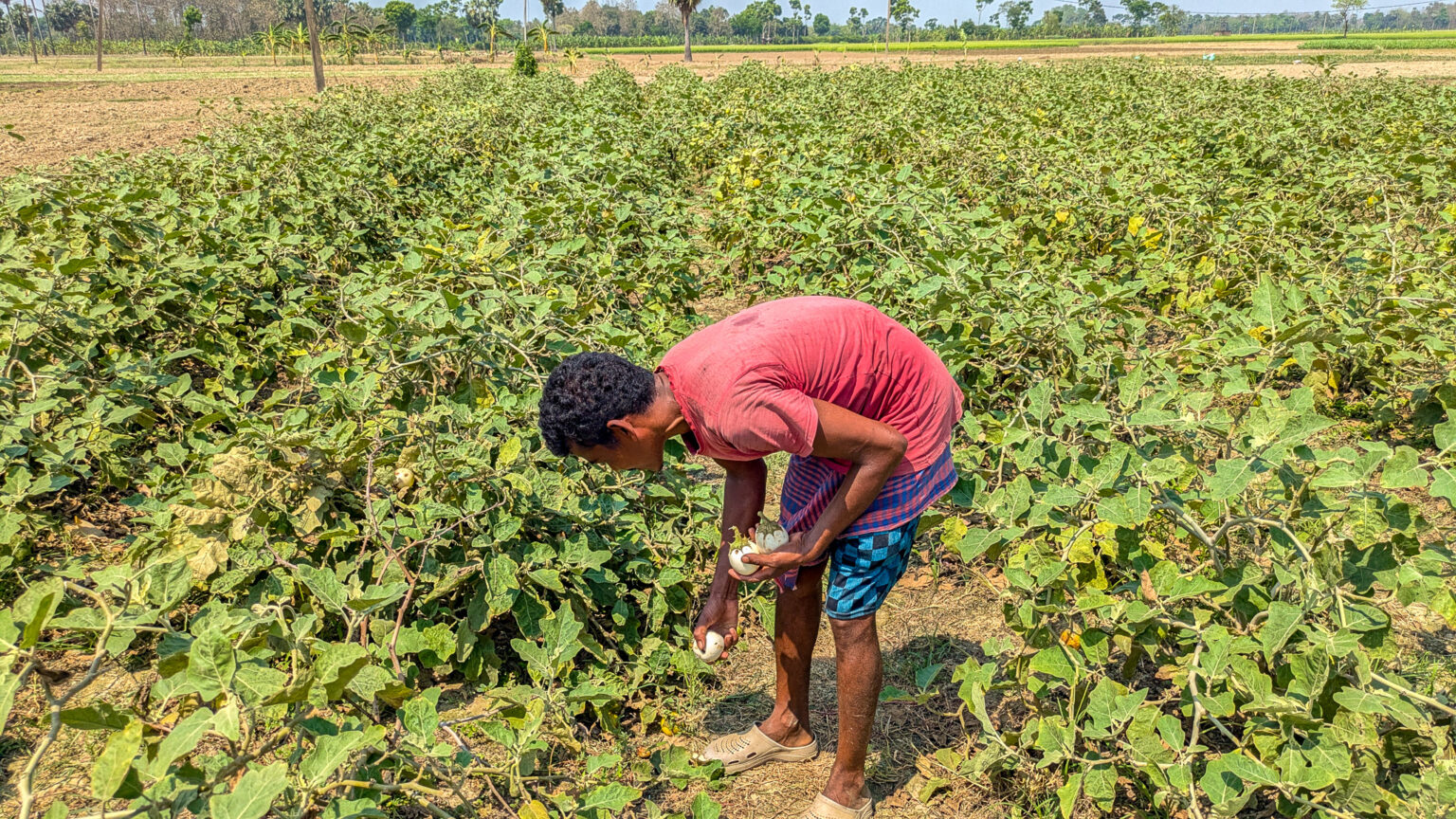
As one farmer in Nadia district in West Bengal, one of the country's top eggplant producers, put it, you get two rupees back for every rupee you invest in growing eggplants. This was true for most of the farmers we spoke to, who reported making 80–120 percent profit. A major concern for many farmers was a new disease that had affected eggplant plants by yellowing leaves and reducing yields over the past two years, resulting in significant losses for some farmers.
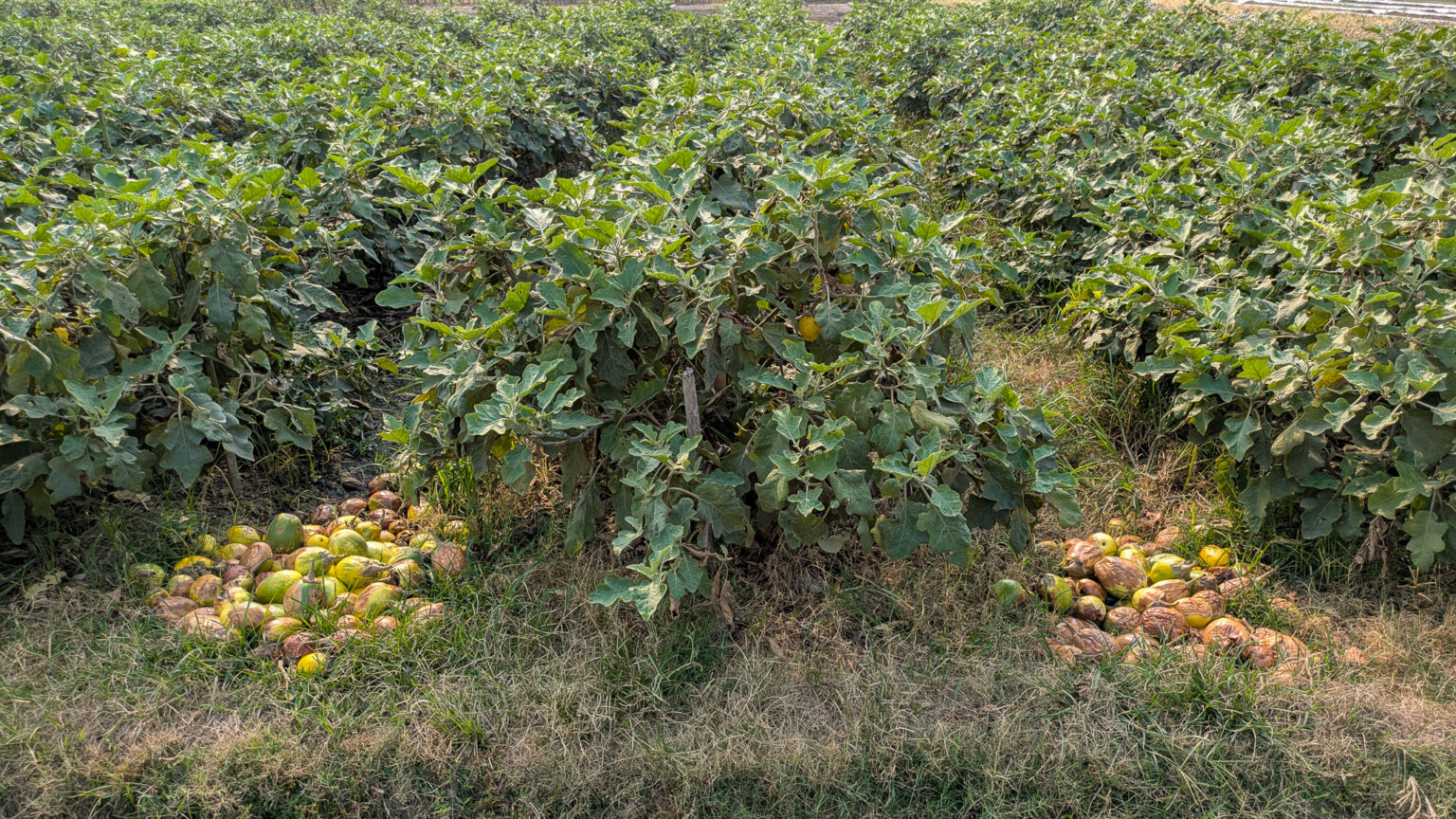
Compared with the other value chains examined in this project, the eggplant value chain was notably short and narrow in scope because of limited processing and value-addition opportunities. This led to food waste when prices fell. During our visit to farms in North 24 Parganas, we saw eggplants left to decompose in the fields as prices at local mandis had fallen to Rs. 4 per kilogram, making it cheaper to abandon the harvest than to pay labour to pick it.
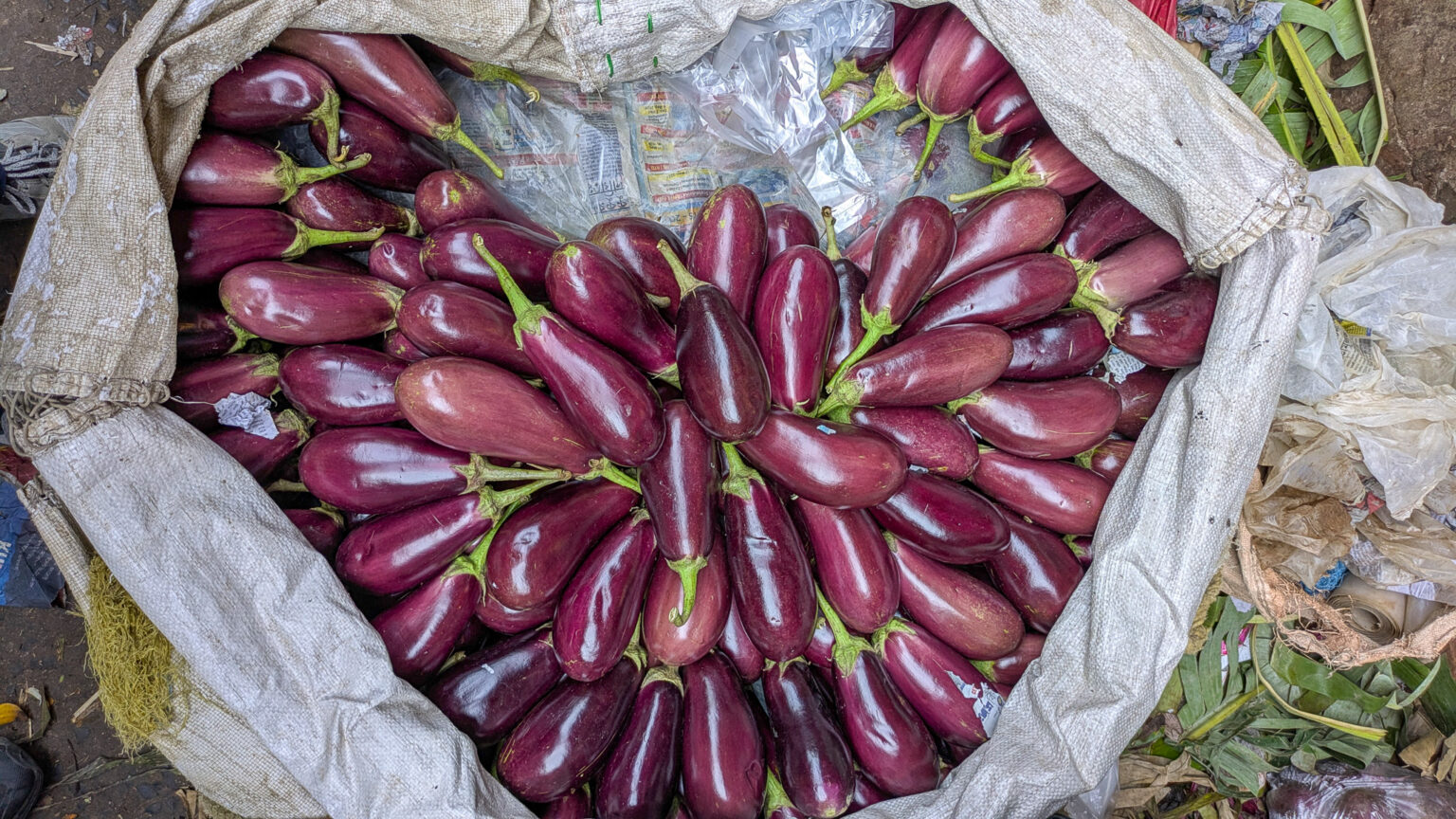
Vegetables and fruits across Nadia move through private markets rather than government-regulated mandis. We visited three in the district where private traders charged farmers 6 to 8 percent of the total crop value as commission.
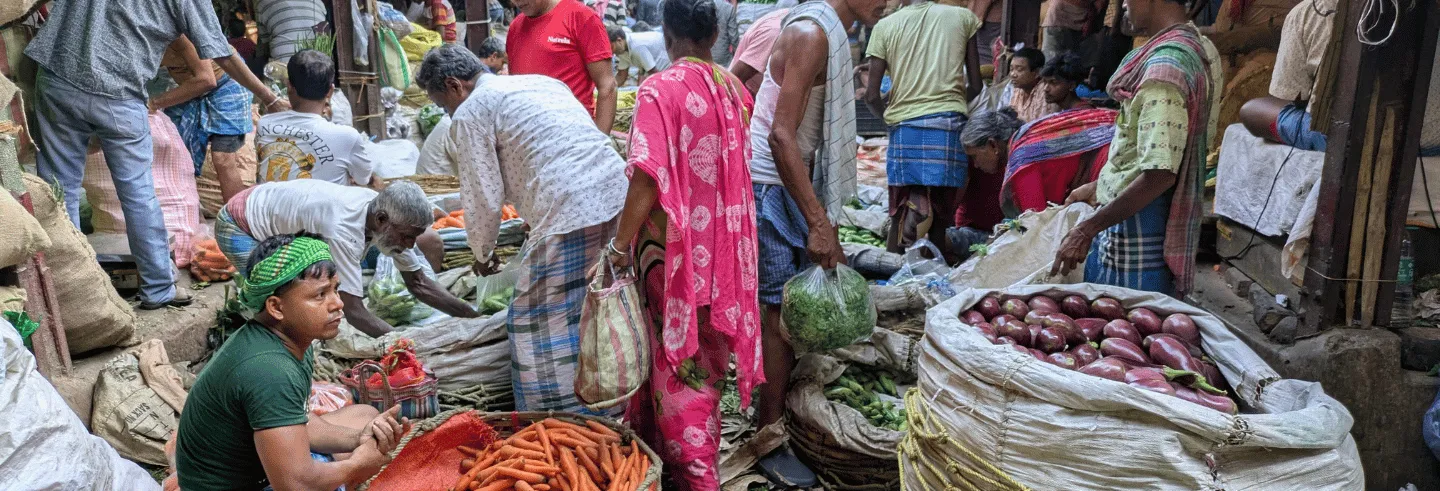
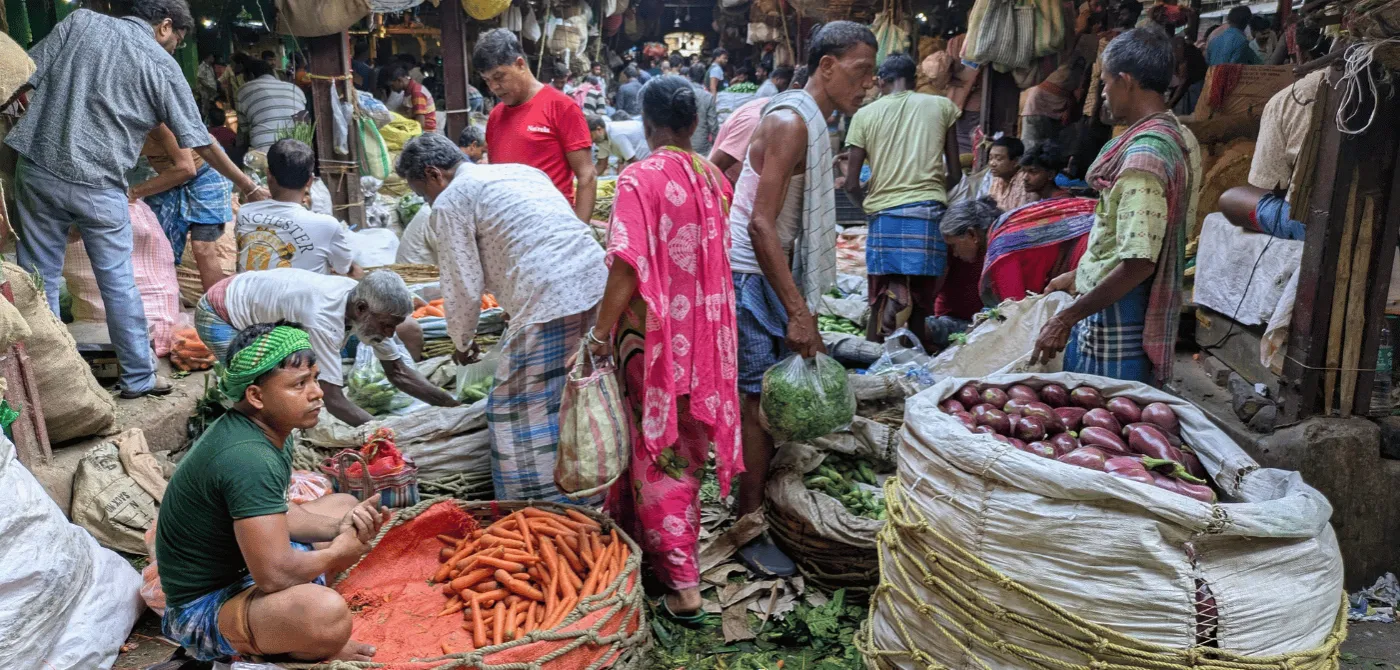
From Nadia, the eggplants travel to Kolkata, Siliguri, and Forbesganj. We followed the chain to Koley market in Kolkata, one of the city's main wholesale vegetable hubs, where eggplant was selling at Rs. 40 per kilogram.
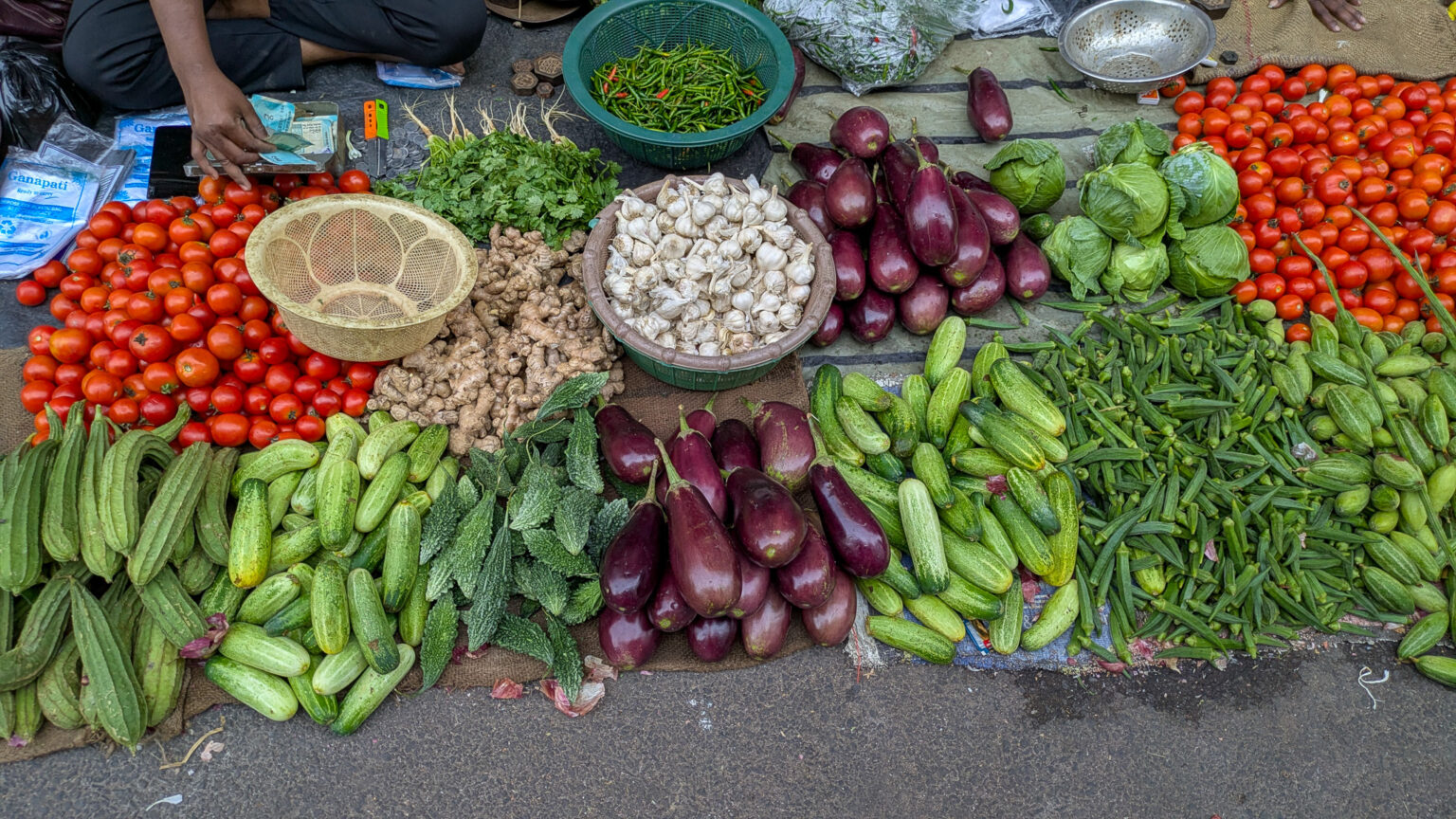
Just outside Koley market, street retailers were selling the same eggplant, purchased inside that morning, at Rs 60 per kilogram. The margin between wholesale and retail, compressed into a few metres of pavement, captures something essential about how value is distributed along this chain.
Organizations like Sufal Bangla are trying to shorten that distance. By purchasing vegetables directly from farmers through Farmer Producer Organizations (FPOs) and publishing daily buy-and-sell rates, Sufal Bangla introduces a transparency the private mandi system rarely offers.
Uncertain future of soybean value chain in Marathwada
The soybean value chain in Latur district of Maharashtra was the best-developed we encountered during our two months of field research. Latur district has grading units, processing plants, seed facilities, an extensive network of FPOs, direct collection centers, and one of the region's largest mandis. However, nearly every conversation we had in Latur circled back to the same question: how much longer will farmers keep growing soybeans?
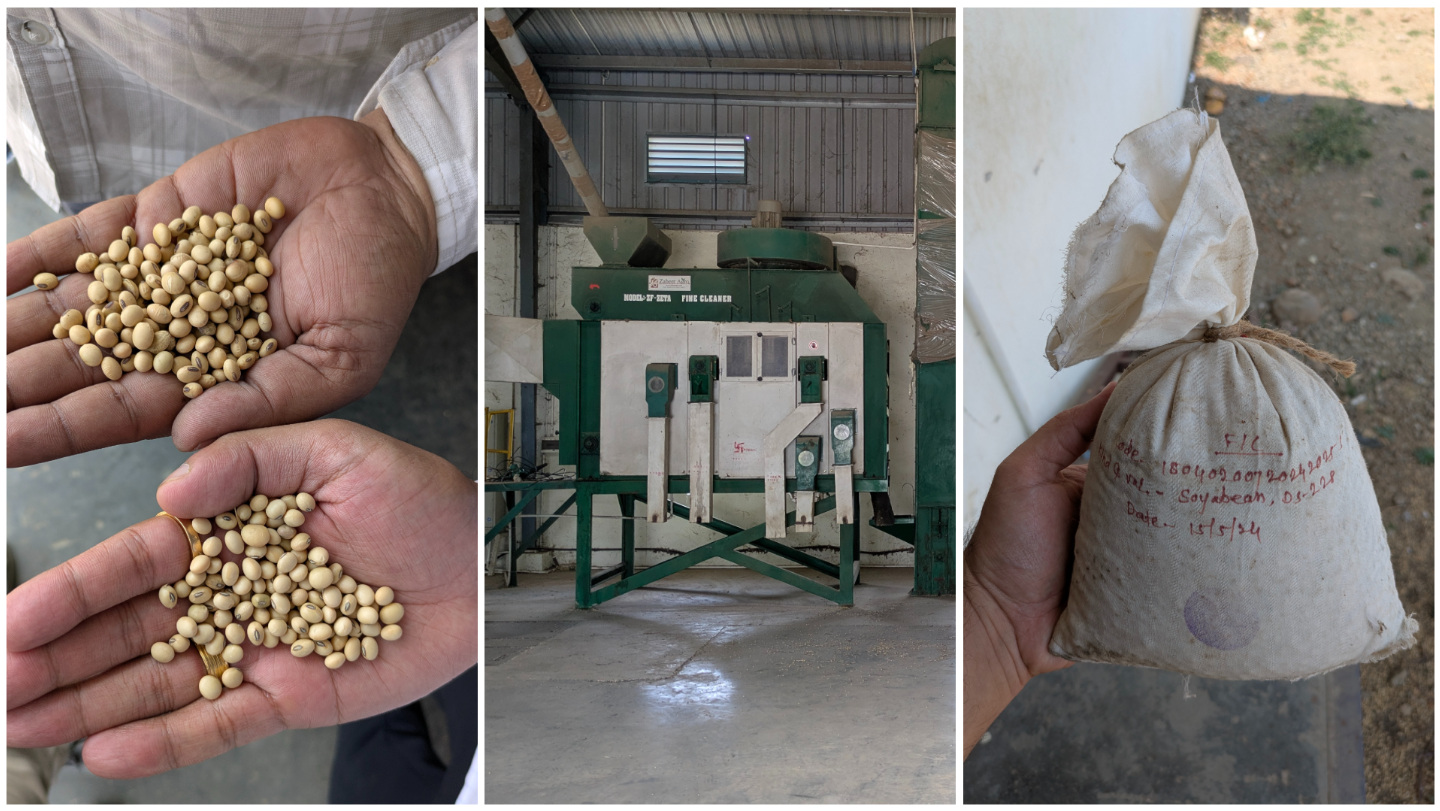
Many of the processing and grading units in the region were established with support from state government programmes such as the Project on Climate Resilient Agriculture (POCRA) and the State of Maharashtra's Agri-Business and Rural Transformation (SMART) programme, which were designed to strengthen agricultural value chains by subsidizing post-harvest infrastructure. We visited a seed processing facility in Ausa block, set up under one of these programmes. The owner walked us through the operation and expressed his concerns about the future of the soybean value chain in Latur. First, he was worried about the declining soybean prices due to imports. Second, he was concerned about the low-quality seeds from Madhya Pradesh flooding the local markets.
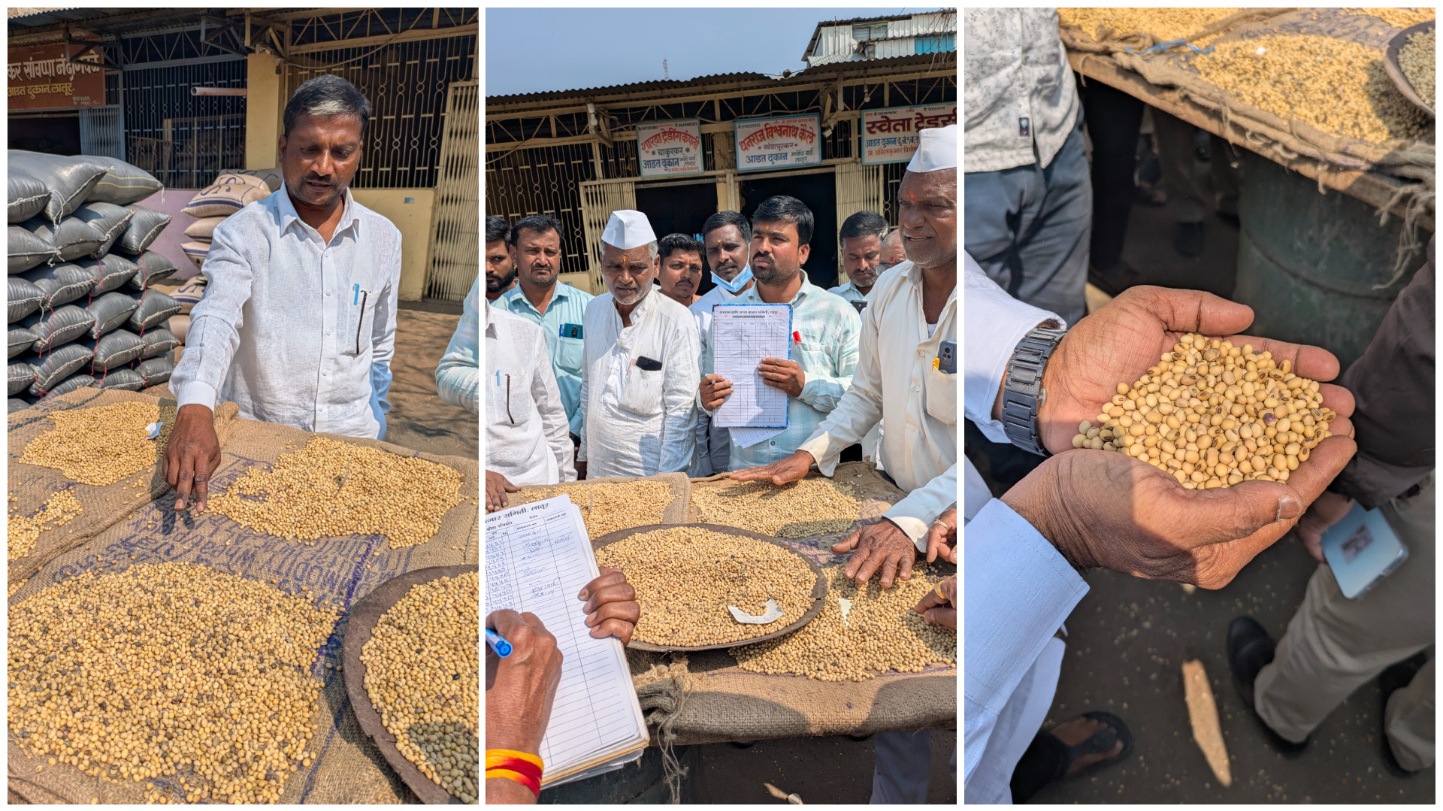
Soybeans are the main crop traded at the Latur APMC mandi. During our visit to the mandi, we witnessed the auction in progress. Most of the soybeans at the mandi are purchased by two large processing plants (Kriti oils and ADM) in Latur. We had the opportunity to speak with many buyers (as they all meet for tea after the auctions). A major concern for most buyers was the impact of imported soybeans and soybean products from Brazil and Argentina, which had driven down domestic prices. They were concerned that farmers might reduce soybean production, thereby increasing reliance on imports.
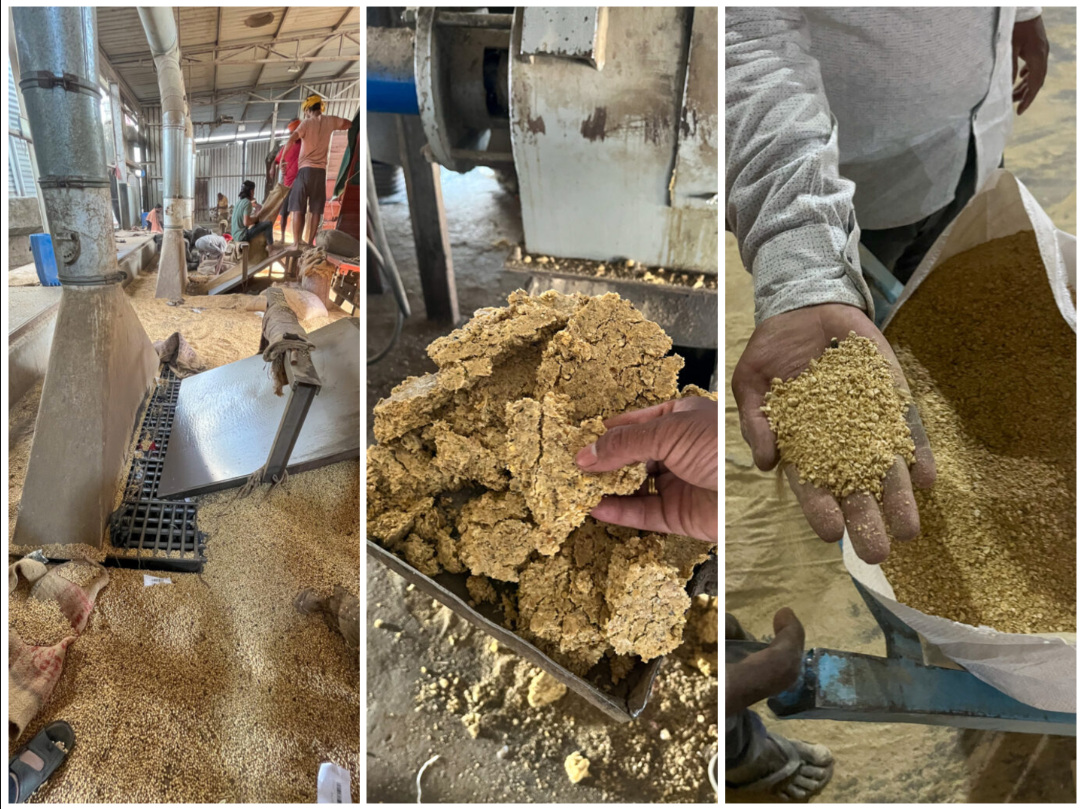
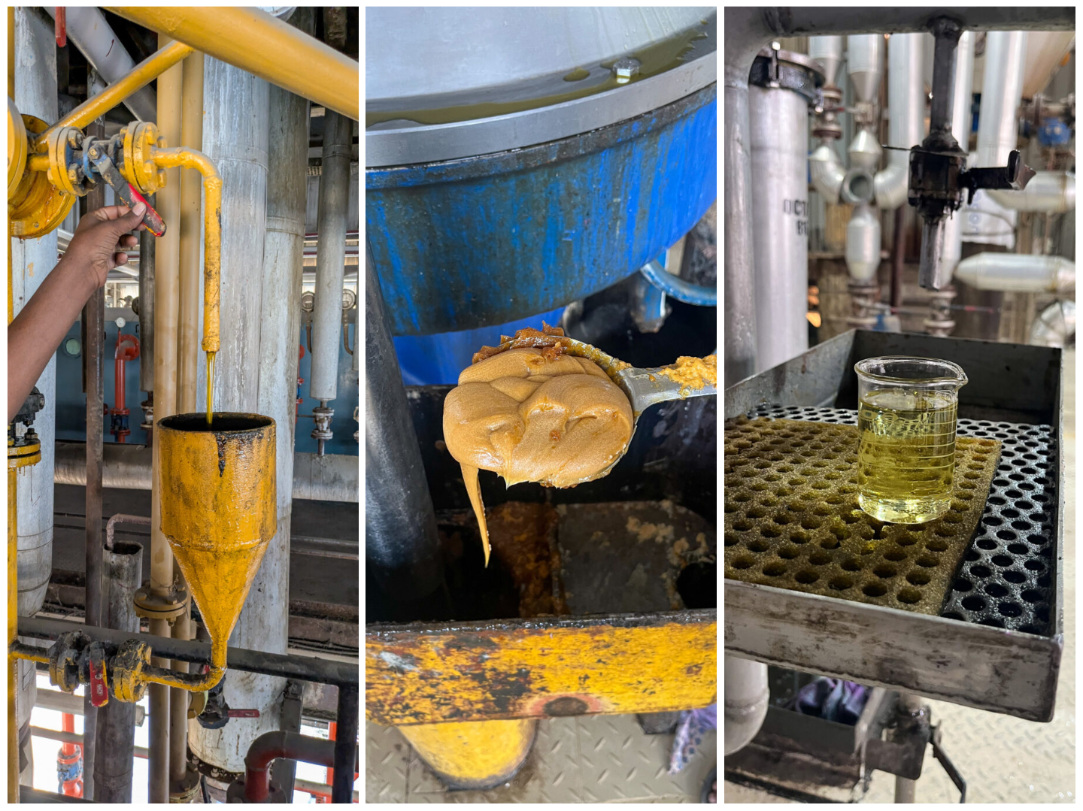
We visited a soybean processing plant in Ausa and saw how soybeans are processed into soybean oil and meal (de-oiled cake). The plant owners told us they used to purchase soybeans directly from farmers through village collection centres, but as prices declined and farmers grew fewer soybeans, they have closed these centres. Instead, they now rely on soybeans from the mandi.
Trade negotiations between India and the United States (US) have raised the prospect of American soybean meal entering the Indian market. The processing plant owners in Latur were concerned about what that would mean for Latur's soybean value chain. They acknowledged that US soybean meal is of higher quality than what Indian processors can currently produce. If import duties come down as part of a bilateral deal, Indian soybean meal may simply be unable to compete.
Latur built its soybean infrastructure over the past two decades. The question its stakeholders face now is whether the economics that justified that infrastructure still hold.
Conclusions
Across these five value chains, stakeholders shared hopes and concerns about the future. While they were positive about increased investments in post-harvest infrastructure and the development of new marketing channels such as FPOs, many shared concerns about climate shocks, trade policies, and limited access to credit.
Strengthening these value chains for climate resilience and nutritional outcomes will require more than physical infrastructure. It will demand policy consistency, financial systems that reach the farmers who need them most, and recognition that the risks farmers carry today are too large and too systemic to absorb alone.
This article is based on our study of value chains as part of the Promoting Value Chains for Climate Resilience and Nutritious Diets project. We are grateful to all the value chain stakeholders who took the time to speak with us. We would also like to acknowledge funding for this project from the Novo Nordisk Foundation.
Raghav Puri is with the Department of Global Development, Cornell University, Ithaca, New York.
Naveen Kottayil is a development researcher with expertise in agriculture, food systems, nutrition, and rural livelihoods, and is currently a Senior Associate Researcher at the Tata-Cornell Institute for Agriculture and Nutrition (TCI).
All photos by Raghav Puri/TCI.