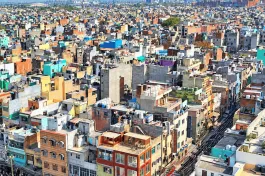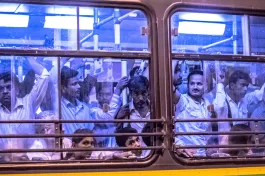




In New Delhi, as in many Indian cities, Muslim communities are largely confined to high-density, segregated neighbourhoods. Life in these urban ghettos is shaped by chronic shortages—overstretched infrastructure, inadequate civic amenities, and a built environment that leaves little breathing space.
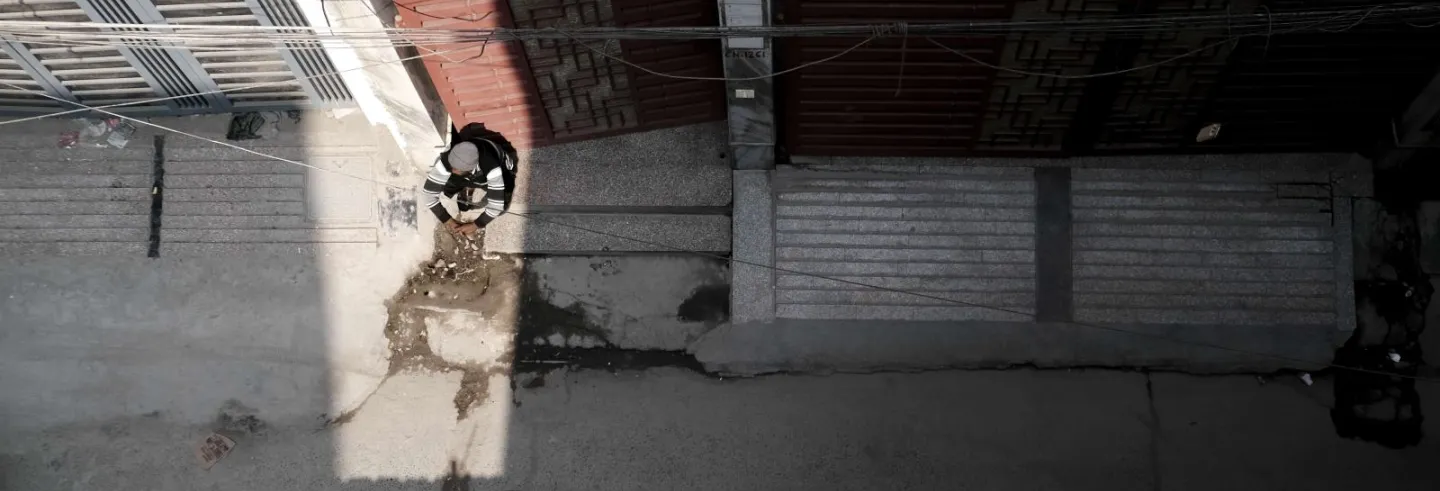
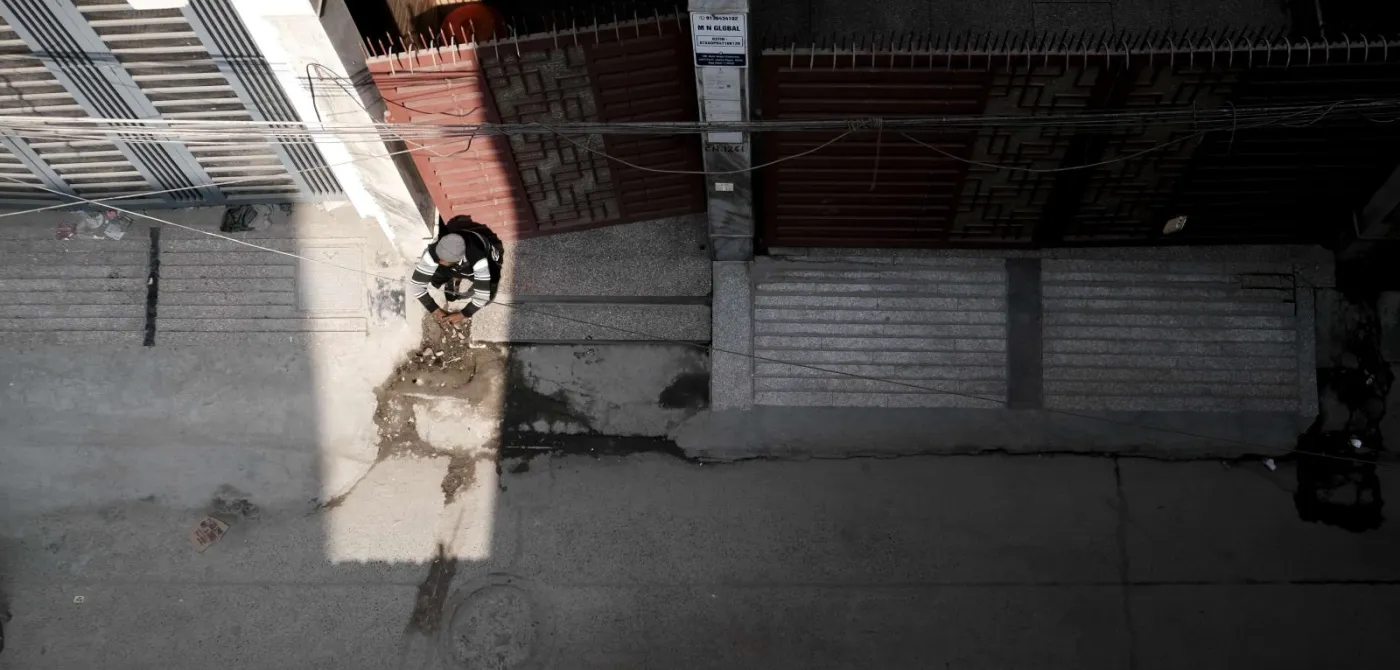
Delhi’s winters, increasingly defined by hazardous air quality, introduce a quieter but no less pressing challenge for the residents of these ghettos. For residents, accessing warmth and light requires a daily effort: stepping out of their homes, scanning street corners, and waiting patiently for the sun to appear.
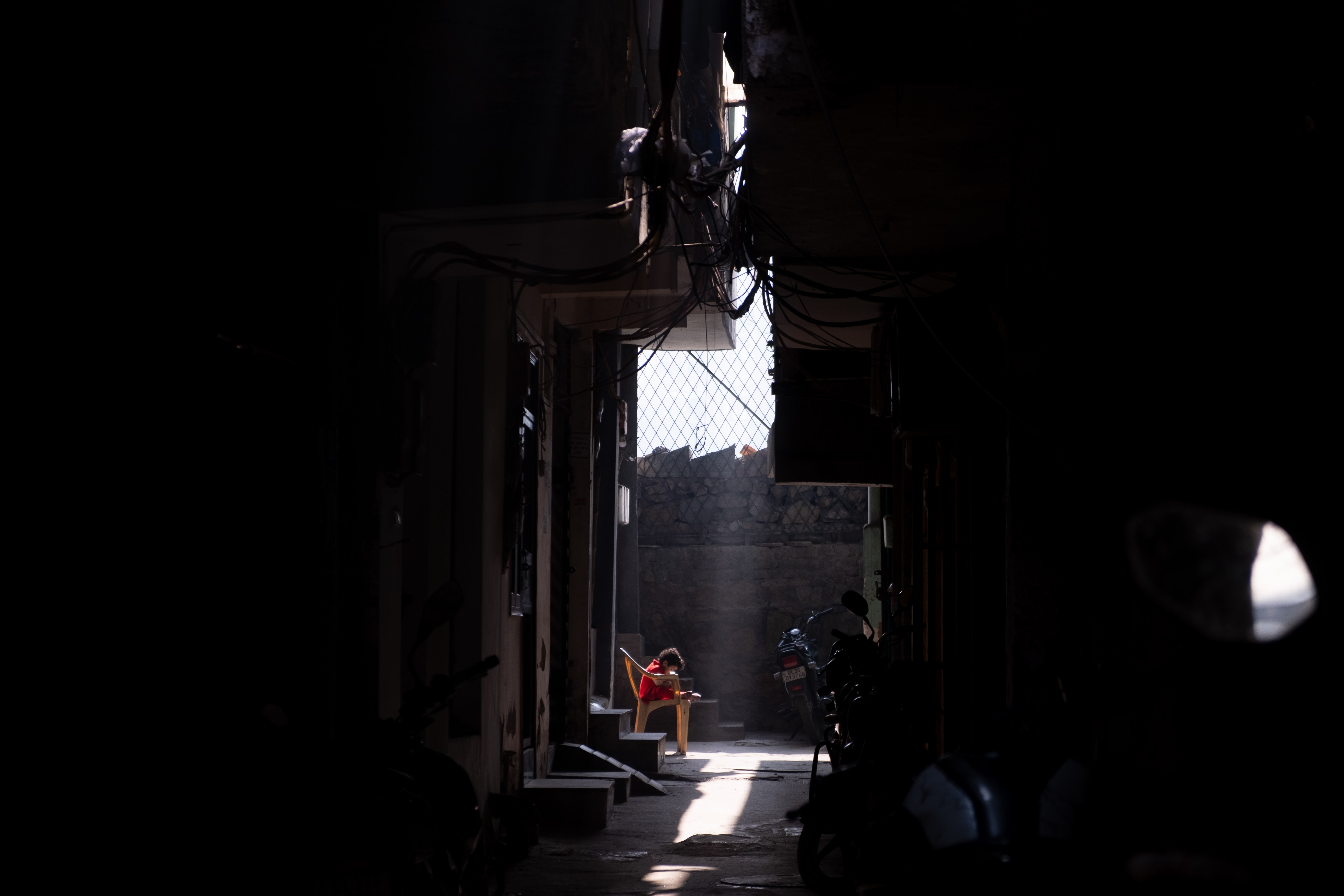
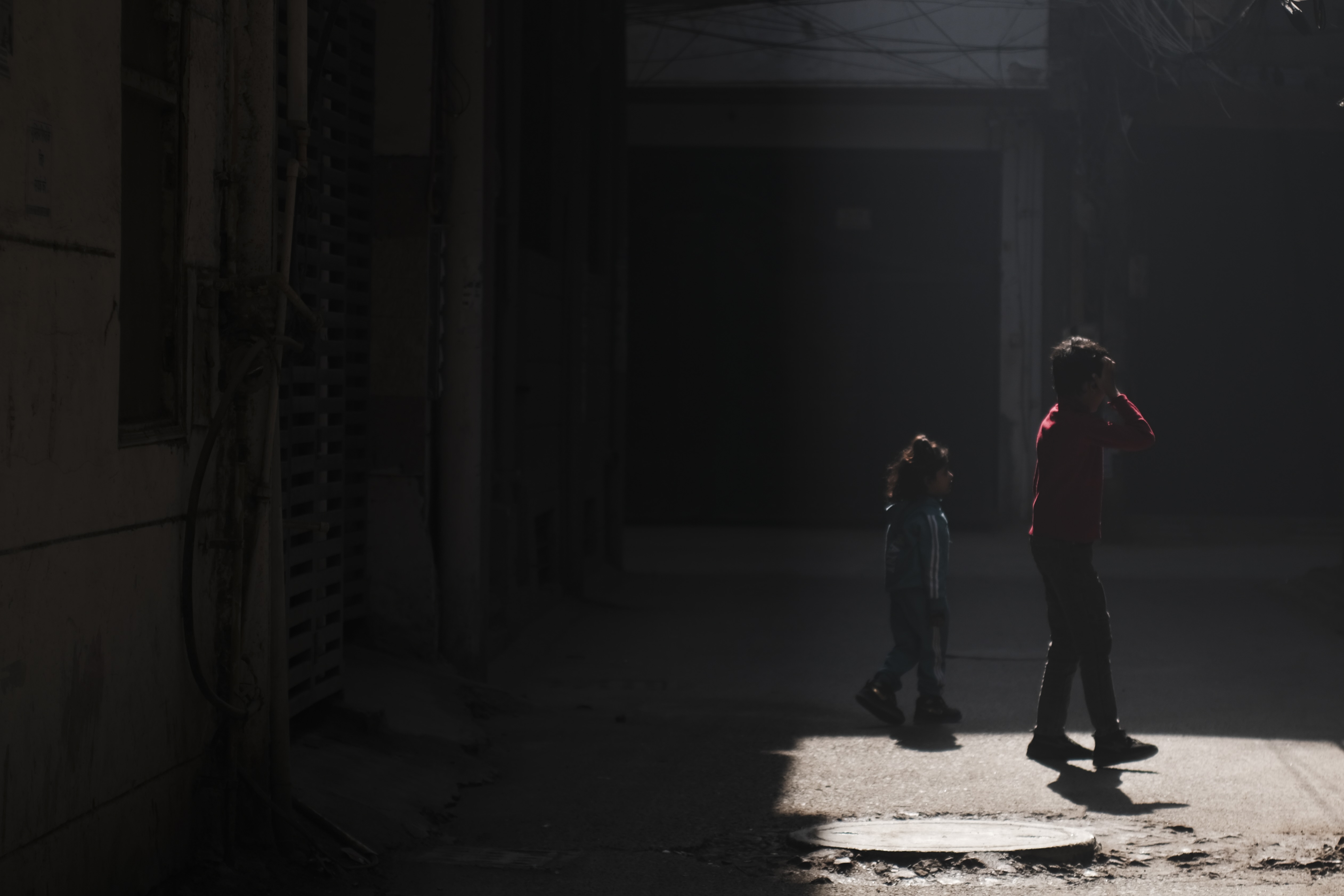
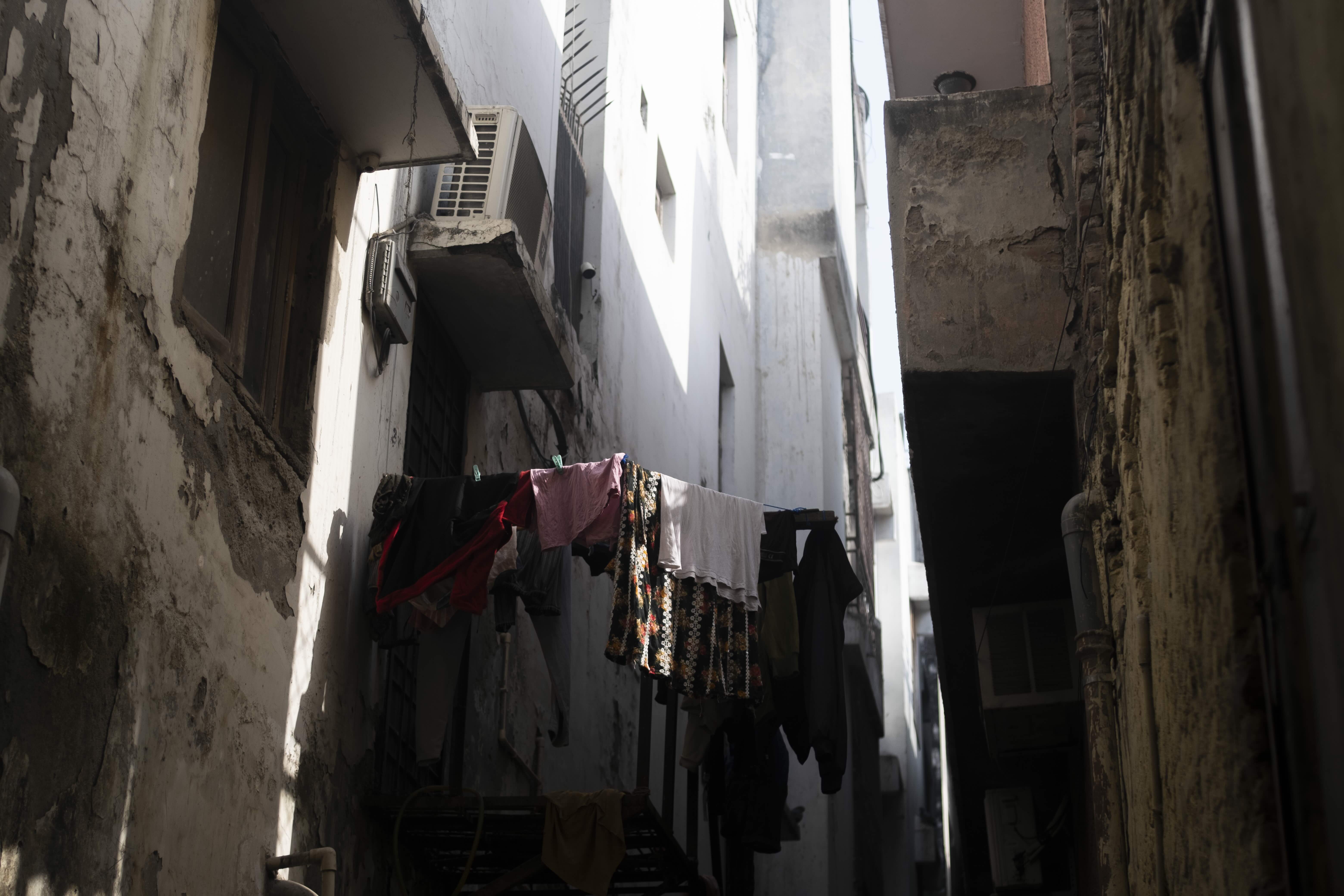
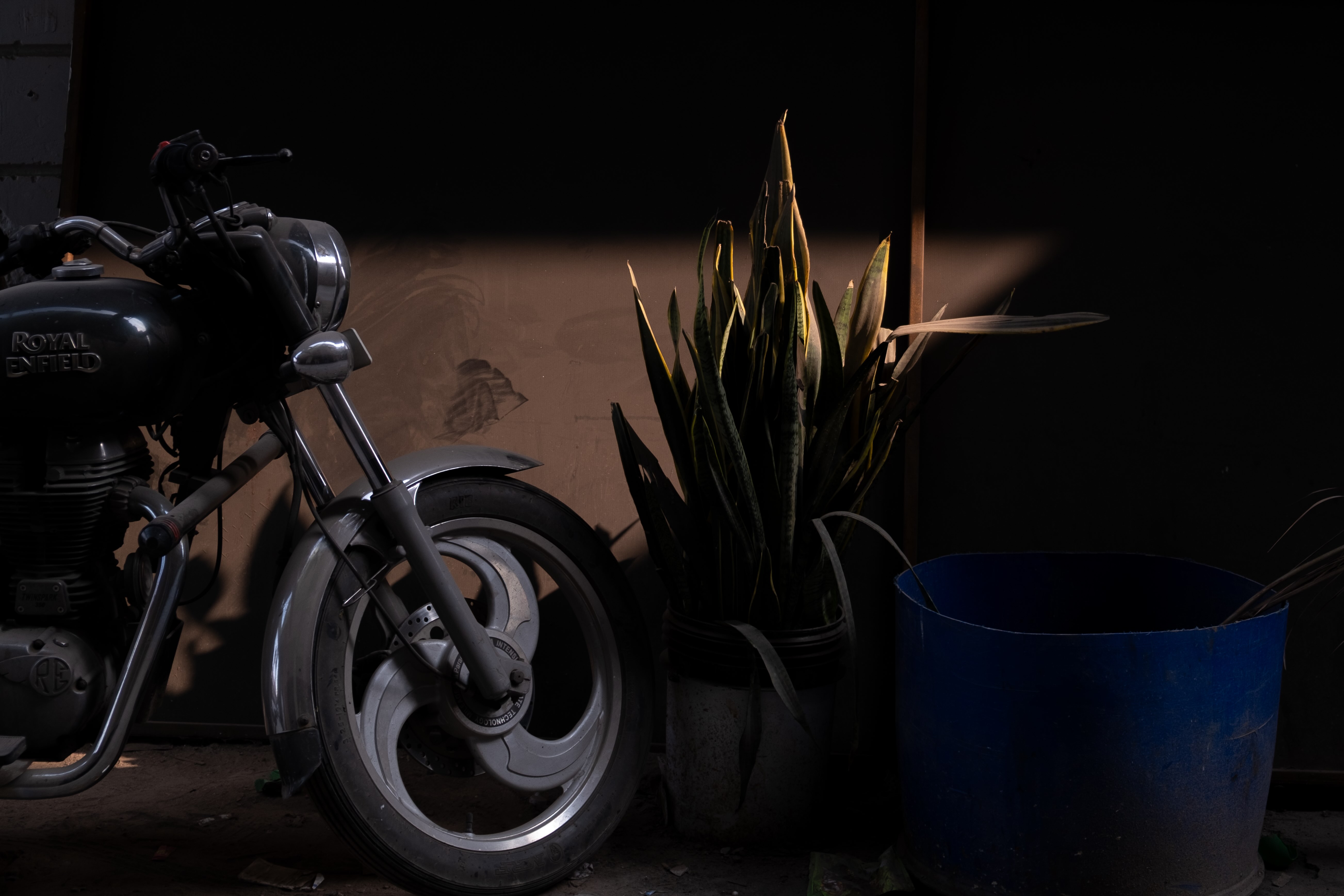
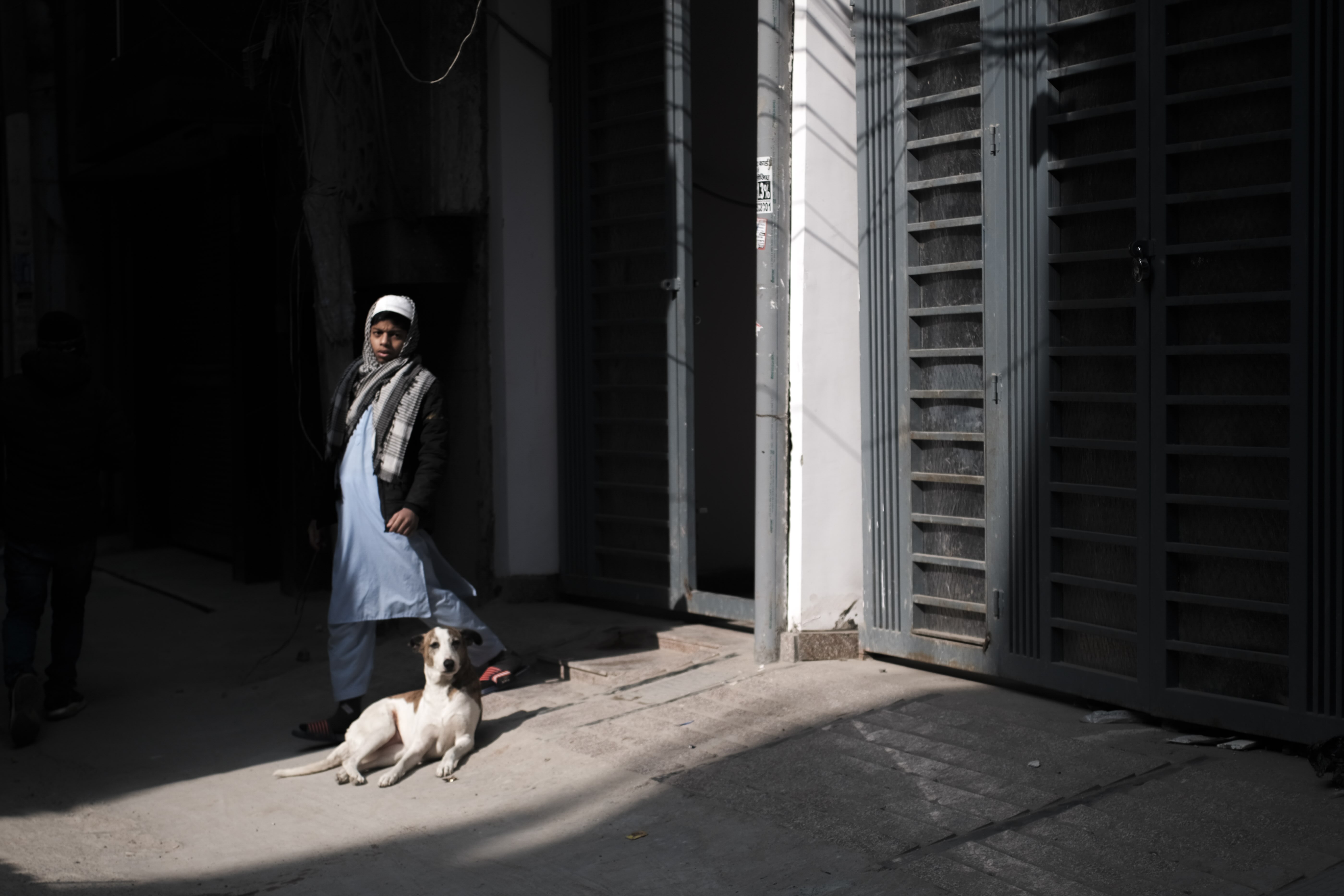
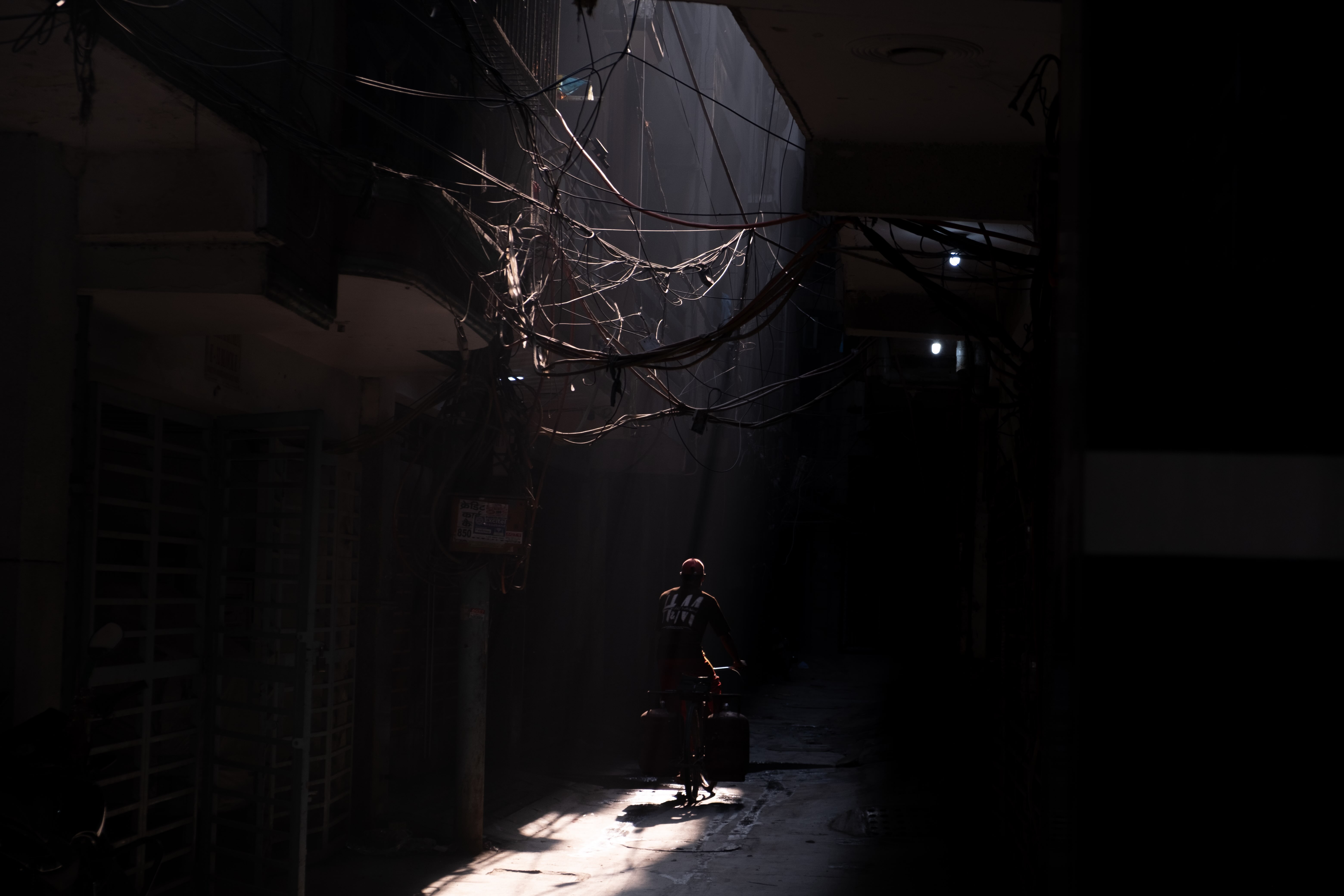
These acts are both practical and poignant. They are improvised responses to a recognised shortage. They also serve as a visual reminder of how, for minorities in India, spatial marginalisation shapes even the most intimate routines of everyday life.
(All photos were taken in Delhi between December 2025 and February 2026.)
Hyder Habib is a filmmaker and photographer, splitting his time between Delhi and Kashmir. Bilal Ahmad Tantray is a doctoral scholar researching spatial and corporeal politics in South Asia.