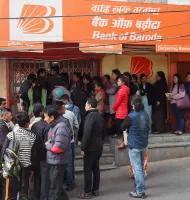
The pandemic could have been an opportunity for India's welfare measures to shine. But poorly designed interfaces, centralisation, and lack of accountability have made access difficult,…
In the absence of timely data from the national official surveys, the large-scale private CPHS have become popular sources of data on current conditions. But problems in the survey design &…
India’s inequality is driven by limited upward mobility due, in turn, to unequal opportunity. Greater taxation of wealth will make possible investments in education, health, and infrastructure which…
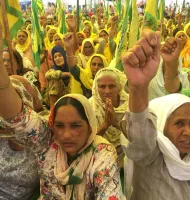
Women have been reinforcing the farmers’ protests on Delhi’s borders, right from the beginning. Their experiences of the agrarian crisis are broadening the demands of the movement beyond defending…
Demonetisation was not just an egregious act of cruelty but also an economic policy disaster. Yet, the successful use of popular narratives to sell the demonetisation story meant that the public did…
The decline in the quality of what is supposed to be the premier annual economic policy document of the Government of India is a result of its authors playing to the gallery rather than offering…
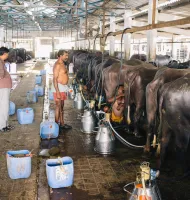
The result of the deregulation of the dairy sector holds a mirror to what would happen if the new farm laws were to be implemented in agriculture: an easing out of the small producer, greater…
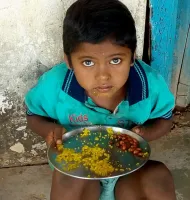
Stagnant government funding and mis-allocation of available resources in recent years are together resulting in limited improvements in levels of child nutrition, anaemia and mortality.
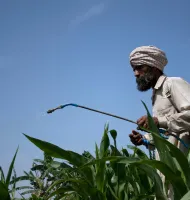
The crises of Punjab’s agriculture are rooted in the same history that made it the granary of India. Ensuring sustainability for farmers and the farm sector requires an engagement with the shifting…