Migrant workers’ protests in the NCR stem from the ‘thekedari’ system of labour contracting, rather than labour law changes alone. A triple paradox—permanent temporality, recruitment turned…
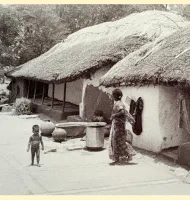
Nesal was where land, labour, caste and hierarchy were intertwined. Half a century later, caste differences remain but the social hierarchy has loosened. Some peasants have turned into programmers,…
Estimates based on Periodic Labour Force Survey data point to over 55 million Indians employed in silica-exposed occupations, mainly in construction. The vulnerability of this workforce is a major…
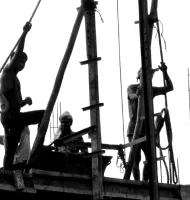
The Building and Other Construction Workers Act struggles to reach India’s mobile construction workforce. Informality and circular migration undermine registration and access. Reimagining social…
India’s four Labour Codes, implemented in November 2025, consolidate a long-term shift privileging capital interests over collective bargaining. By legalising decades-old practices, they recast…
The new labour codes promised labour market reform but suffer major shortcomings, including on limited collective bargaining, flawed minimum wages, gender inequities, and inadequate social security.…
India’s new Labour Codes relegate worker interests to state or employer discretion. This deepens precarity and wealth concentration. Addressing these outcomes requires more than amendments; it…
With US tariffs, Bengaluru's garment factories face the threat of cancelled orders or orders that may never come, creating greater insecurity in an already insecure employment terrain.
India’s new labour codes that consolidated 29 central labour laws in 2019-2020 reveal a pro-employer ideology. These codes reverse hard-won protections and return conditions to colonial-era standards.