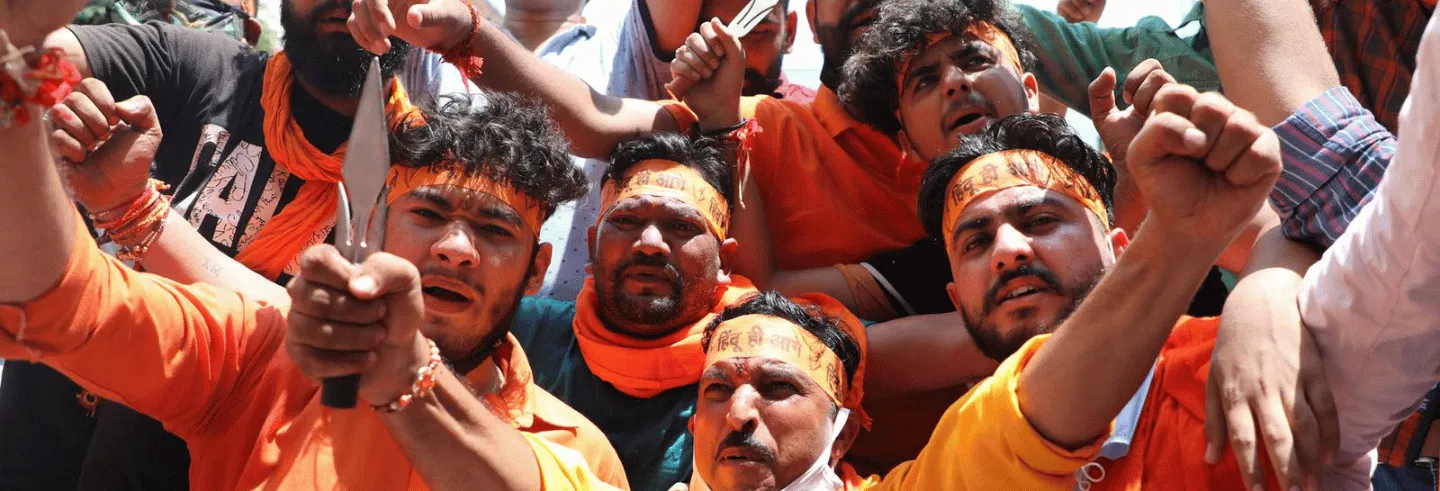
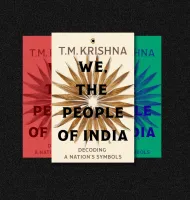
India’s current regime rests on three interwoven factors: Hindutva, a captured civil society, and an authoritarian state. Together they have produced a decade-long collective suspension of disbelief. The challenge is to contest all three arenas simultaneously & produce a new imagination for India.▶
The IBC has achieved significant results but has also shown delays, procedural overemphasis, weak institutional capacity, and an unaddressed personal insolvency framework. The 2026 amendments are…
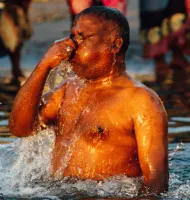
The Ganga is two rivers simultaneously: the polluted terrestrial river, and the the sacred river that purifies all that is living. Unless they are brought together in the minds of devotees, cleanup…
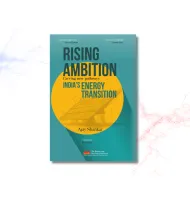
Events in the Persian Gulf have made faster electrification a national imperative, making it a timely call to action on energy security, sustainability, and affordability.
India’s current regime rests on three interwoven factors: Hindutva, a captured civil society, and an authoritarian state. Together they have produced a decade-long collective suspension of disbelief.…
India’s organ donation law is grounded in altruism, but the system fails to create the institutional conditions that are needed to sustain it. Reform requires mandated medical care, harmonised legal…
The US and Israel have wrought war on Iran; Israel continues to wage war on Lebanon and bomb Palestine. Yet we continue our lives doing the routine unconcerned about the death and destruction. Is…
Seventy-five years after the Constitution came into force, India’s first uniform civil code laws have emerged—but as instruments of Hindutva rather than gender justice. Weaponised to stigmatise…
T.M. Krishna brings scholarship and artistic imagination to India’s national symbols, arguing that their openness to interpretation is a strength, not a threat. His reading of Satyameva Jayate in…